
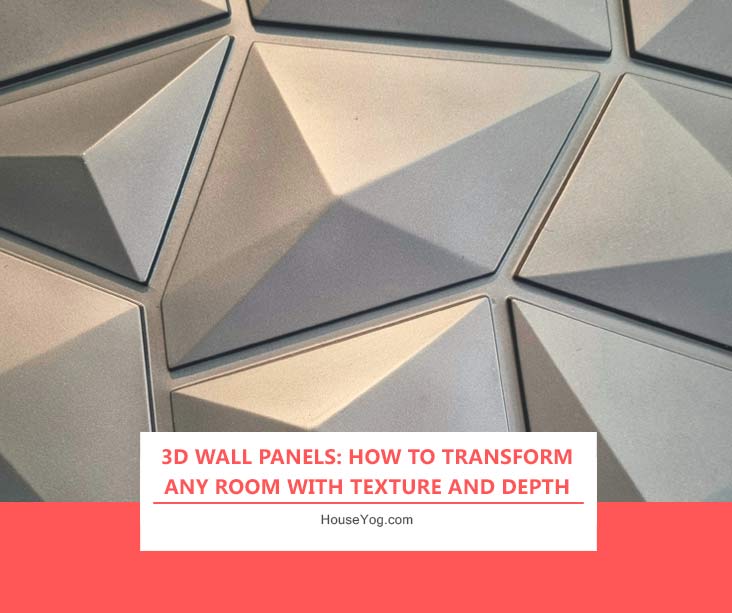

3D wall panels have become one of the most exciting tools in contemporary interior design — offering an accessible, high-impact way to introduce texture, depth, and visual drama to otherwise flat surfaces. Where a coat of paint or standard wallpaper might refresh a room, a 3D wall panel installation genuinely transforms it. The interplay of light and shadow across the sculpted surface creates a living, dynamic backdrop that shifts character throughout the day as natural and artificial light change.
These panels work equally well as full room coverings or as a single feature wall treatment, making them versatile enough to suit every design ambition and budget. If you’re ready to explore what a textured wall can do for your space, browsing a well-curated collection of 3D wall panels is the ideal place to start. From geometric patterns and organic wave forms to brick-inspired textures and sculptural relief designs, the range of available styles ensures there’s a panel suited to virtually every interior aesthetic.
Why 3D Wall Panels Are Changing the Way We Think About Interior Design
The appeal of 3D wall panels goes far beyond novelty. In a design landscape where texture has become a defining element of sophisticated interiors, these panels offer a practical way to introduce dimension that wallpaper and paint simply cannot replicate. The result is a level of visual richness that makes rooms feel more considered and complete.
The material versatility of modern wall panels adds to their broad appeal. PVC panels are the most popular choice — lightweight, moisture-resistant, easy to install, and available in an enormous range of patterns. MDF and gypsum panels offer a more substantial feel and suit larger feature wall applications. Natural fibre and bamboo options bring an organic warmth to the material palette, each with distinct characteristics suited to different spaces.
3D wall panels also offer genuine acoustic benefits. The textured, layered surfaces help absorb sound rather than reflecting it, which can meaningfully improve the acoustics of hard-surfaced rooms — particularly living rooms, home offices, and media rooms with high ceilings and minimal soft furnishings.
How to Choose the Right 3D Wall Panels for Your Space
Choosing the right 3D wall panels requires thinking about the room’s existing aesthetic, the scale of the installation, and the practical requirements of the specific wall surface. The right choice in one context can be entirely wrong in another.
Pattern
The pattern scale should relate to the size of the wall and the room. Large, bold geometric patterns create a commanding presence on a generous feature wall, but can overwhelm a smaller space. Subtler relief textures — soft wave forms, stacked brick patterns, or understated herringbone designs — work well in rooms where the wall treatment needs to add depth without dominating the overall aesthetic.
Material
Material choice should match the environment. PVC panels are the practical first choice for bathrooms, kitchens, and any space with exposure to humidity or moisture. MDF panels deliver a more premium finish in dry indoor environments like living rooms and bedrooms. Always check material specifications against the installation environment before committing to a specific product.
If you’re comparing materials and budgeting for a project, you may also find our guide to wall panelling costs in India helpful, which compares PVC, WPC, and MDF panel options along with their typical price ranges.
Colour
Colour and finish affect how the texture reads in a room. White and off-white 3D wall panels are the most popular choice because the raised surface and shadows do all the visual work — the monochromatic palette keeps focus on the pattern itself. Darker tones create a more dramatic, moodier effect, while metallic-finished panels introduce glamour and visual complexity suited to maximalist and contemporary interiors.
Where to Install 3D Wall Panels?
Living rooms are the most natural home for a 3D feature wall. A single textured wall behind a sofa or media unit adds depth and character to the room’s most viewed surface without requiring a full renovation. In well-lit living rooms, the interplay of light and shadow across the panel surface creates a constantly shifting visual experience.
Bedrooms benefit from a 3D wall panel treatment behind the bed, where it functions as an elevated headboard wall with far more visual impact than paint or wallpaper alone. The textured surface adds a sense of luxury and intention that makes the bedroom feel more designed and purposeful.
Home offices and study spaces are an increasingly popular application. A feature wall behind a desk creates a polished, professional backdrop for video calls and focused work, signalling that the space has been designed with clear intention.
Hallways and entryways benefit enormously from 3D panels because these high-visibility zones often receive minimal design attention. A panelled feature wall in an entryway creates an immediate first impression that sets the tone for the entire home.
In modern Indian homes, 3D wall panels are commonly used behind TV units, bed headboards, dining areas, and entrance foyers. PVC panels are particularly popular because they are lightweight, relatively affordable, and easy to maintain. Homeowners often combine textured wall panels with false ceilings and decorative lighting to create a premium interior appearance without major renovation work.
Pairing 3D Wall Panels with Lighting for Maximum Impact
The relationship between 3D wall panels and lighting is one of the most important and underutilised aspects of a panel installation. The depth and texture of a 3D panel only become fully apparent when light strikes the surface at an angle — grazing, directional light reveals the relief pattern most dramatically and creates the shadow play that gives these panels their character.
Wall-washing fixtures, picture lights, and directional spotlights mounted above or beside the panel installation create the ideal lighting angle. Floor lamps positioned to throw light across the surface from below also work beautifully, particularly in living rooms where the panel sits behind a low sofa arrangement.
The overhead lighting in a room with 3D wall panels matters just as much as directional accent lighting. Choosing a fixture that complements the sculptural quality of the wall creates a cohesive interior look.
How to Install 3D Wall Panels Correctly
Installation is one of the most compelling advantages of 3D wall panels over other decorative wall treatments. Most PVC and lightweight MDF panels are designed for straightforward DIY installation using construction adhesive and, in some cases, supplementary fixings. Panel systems typically interlock or butt-join cleanly, allowing even first-time installers to achieve a professional-looking result.
Surface preparation is the most critical step. The wall should be clean, dry, and as flat as possible before installation begins. Significant imperfections in the wall surface can telegraph through lightweight panels and affect the finished appearance — a skim coat of filler and light sanding resolves most common issues before the panels go up.
Cutting panels to fit corners, electrical outlets, and architectural features requires a sharp utility knife or fine-toothed saw, depending on the material. Taking time to plan the layout before committing to adhesive — especially around doorframes and windows — ensures a balanced, symmetrical result that looks professionally installed.
Conclusion
3D wall panels represent one of the most accessible, high-return investments you can make in the design quality of your home. They introduce genuine texture, depth, and visual drama to flat surfaces without requiring structural changes or extensive renovation work. Whether you’re treating a single feature wall or panelling an entire room, the transformation is immediate and substantial.
Choose the right pattern and material for your space, pair the installation with thoughtful lighting, and the result will be a wall that earns attention and admiration every time someone walks into the room.
FAQs About 3D Wall Panels
Many 3D wall panels, especially PVC panels, are water-resistant and suitable for bathrooms, kitchens, and other humid areas. However, not all materials are waterproof, so always check the manufacturer’s specifications before installation.
Yes. 3D wall panels are commonly used behind beds to create stylish accent walls. They add texture, depth, and a premium look while helping make the bedroom feel more visually inviting.
High-quality 3D wall panels can last 10–20 years or more with proper installation and maintenance. Durability depends on the material, environmental conditions, and daily wear and tear.
Yes. Most 3D wall panels can be installed directly over existing walls, provided the surface is clean, dry, and reasonably smooth. Proper surface preparation helps ensure a professional-looking finish and long-term adhesion.