
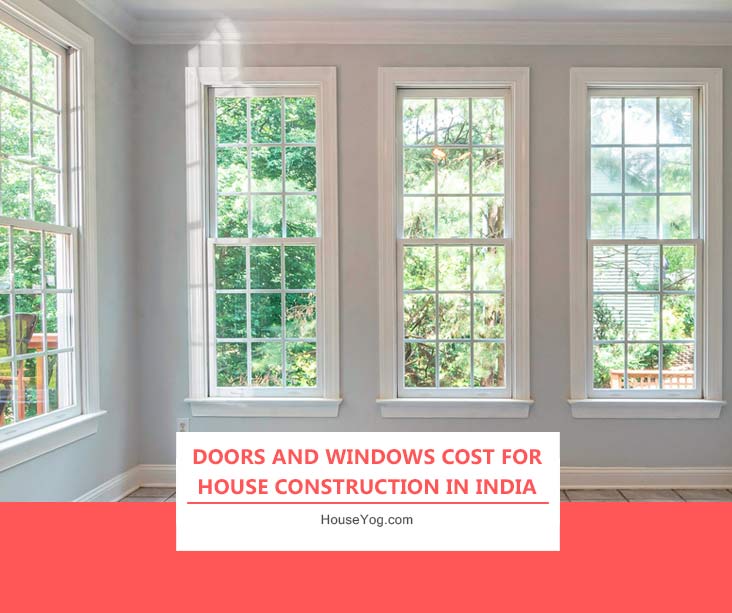

How much do uPVC, aluminium and wooden doors, windows and sliding systems cost per sq ft in India?
Doors and windows form a major part of finishing costs in house construction, yet many homeowners underestimate their impact during the planning stage. In a typical Indian house, the combined cost of doors, windows, frames, glass, hardware and installation can easily run into several lakhs depending on the material, design and quality choices.
Apart from functionality, doors and windows also affect ventilation, daylight, security, privacy, aesthetics and long-term maintenance. A poorly planned window system may increase heat gain and maintenance issues over time, while low-quality doors and hardware may start creating operational problems within just a few years.
One of the biggest reasons many homeowners struggle with budgeting is that door and window prices vary significantly depending on the material, section thickness, glass specifications, hardware quality, fabrication standards, polish and finishing, and the total number of openings in the house.
If you are planning to build a house and wondering about door and window installation costs — or simply feeling overwhelmed by the different material choices — this guide will help you understand the practical side of budgeting.
In this post, we explain realistic door and window costs in India, including uPVC window price per sq ft, aluminium window cost, wooden door price for home construction, installation charges, material comparisons and practical budgeting tips for Indian homes.
Average Door and Window Cost for a House in India
In most independent houses in India, doors and windows together usually account for around 8%–15% of the finishing budget depending on the material quality, number of openings, hardware selection and level of customisation.
For a standard 2 BHK or 3 BHK house, homeowners generally install a main entrance door, multiple internal doors, several windows, ventilators and sometimes sliding balcony doors.
Because of this, the total cost can vary quite a bit from one project to another.
For example, a basic home using flush doors and standard aluminium windows may cost significantly less than a house using veneer-finish doors, large sliding systems, premium hardware and branded uPVC windows.
In practical terms, many homeowners spend roughly ₹2 lakh to ₹5 lakh on doors and windows for a modest-size house using functional mid-range materials. Premium homes with larger openings, designer main doors, heavy sliding systems, imported hardware or luxury aluminium sections may easily cross ₹10 lakh or more.
The biggest cost difference usually comes from:
- The number and size of windows
- The type of main entrance door
- Sliding door systems
- Hardware quality
- Glass specifications
Two houses with the same number of bedrooms may still have very different door and window budgets depending on design choices and overall architectural style.
This is why understanding individual material costs and specifications is often more useful than looking at broad lump-sum estimates alone.
Typical Door and Window Quantity in a 3 BHK House
One of the most common questions homeowners ask during budgeting is:
“How many doors and windows does a typical house actually need?”
While the exact number depends on the floor plan, ventilation design and architectural style, a standard 3 BHK independent house in India usually includes multiple internal doors, several windows, ventilators and at least one main entrance door.
Homes with larger balconies, utility spaces or modern open layouts may also include sliding doors or larger glass openings, which can increase the overall fabrication and installation cost significantly.
A typical 3 BHK house may approximately include:
| Item | Approx Quantity |
| Main Door | 1 |
| Bedroom Doors | 3 |
| Bathroom Doors | 2–3 |
| Balcony/Utility Doors | 1–2 |
| Windows | 8–14 |
| Ventilators | 2–4 |
| Sliding Doors | 1–3 |
The final cost depends not only on quantity, but also on door sizes, window dimensions, frame material, opening style, glass specifications, and hardware quality.
For example, a basic aluminium sliding window and a premium thermal-break aluminium system may appear visually similar from a distance, but their pricing can differ by several times depending on section thickness, hardware and glass configuration.
This is why door and window budgeting should always be done based on specifications and total opening area instead of only room count.
Door and Window Price Per Sq Ft in India
Homeowners often search for window cost per sq ft or door price per sq ft while planning house construction budgets. The table below gives a practical overview of commonly used residential door and window systems in India.
Approx Door and Window Cost Per Sq Ft in India
| Material / Type | Approx Starting Price Range | Typical Usage | Maintenance Level | Expected Durability |
| Basic Aluminium Window | ₹300 – ₹550 | Budget homes | Low | Moderate |
| Powder-Coated Aluminium Window | ₹450 – ₹950 | Apartments & houses | Low | Good |
| uPVC Window | ₹450 – ₹850 | Modern homes | Very Low | Good |
| Premium uPVC Window | ₹850 – ₹1,400+ | Premium homes | Very Low | Excellent |
| Aluminium Sliding System | ₹650 – ₹1,800+ | Balconies & large openings | Moderate | Good |
| Wooden Window | ₹1,000 – ₹3,000+ | Traditional/premium homes | High | Good with maintenance |
| Flush Door | ₹100 – ₹250 | Internal rooms | Low | Moderate |
| Laminate Door | ₹180 – ₹400 | Bedrooms & interiors | Low | Good |
| Veneer Finish Door | ₹250 – ₹650 | Premium interiors | Moderate | Good |
| WPC Door | ₹220 – ₹450 | Bathrooms & wet areas | Very Low | Good |
| Teak Wood Main Door | ₹1,500 – ₹4,500+ | Main entrance | Moderate | Excellent |
| Steel Safety Door | ₹300 – ₹900 | Main entry/security | Low | Excellent |
Premium hardware, large sliding systems, designer finishes and luxury aluminium sections can increase the overall cost substantially.
Most residential uPVC and aluminium window quotations in India usually include fabrication, supply and installation together.
Door Cost by Material Type
The cost of doors in a house depends largely on the material, finish quality, frame selection and intended usage. Most Indian homes use a combination of different door types rather than the same material everywhere.
For example, a homeowner may choose:
- A premium teak wood main door
- Laminate-finish bedroom doors
- WPC doors for bathrooms and utility areas
This approach helps balance both appearance and budget.
Flush Door Price in India
Flush doors are among the most commonly used internal doors in Indian homes because they are economical, widely available and easy to maintain. They are generally used for bedrooms, kitchens and utility areas in budget and mid-range homes.
Basic flush doors usually start from around ₹100–₹250 per sq ft, while better-quality variants with stronger core material and improved finishing may cost more.
They offer good practicality for everyday use, although cheaper variants may have lower moisture resistance and average sound insulation.
Laminate Door Cost
Laminate doors are essentially flush doors finished with decorative laminate sheets. They are popular in modern Indian homes because they offer a cleaner finish, multiple colour choices and easier maintenance compared to painted doors.
In most residential projects, laminate doors are commonly used for bedrooms, children’s rooms and living spaces.
Basic laminate doors may start around ₹180–₹400 per sq ft depending on laminate quality, frame material and finish selection.
For most urban homes, laminate doors offer one of the best balances between affordability, appearance and maintenance.
Veneer Finish Door Price
Veneer-finish doors are preferred in premium interiors where homeowners want a more natural wood appearance without the cost of fully solid wood doors.
Veneer-finish doors are commonly used in premium bedrooms, home offices, living spaces and luxury apartments where homeowners prefer a warmer natural wood appearance.
Pricing generally starts around ₹250–₹650 per sq ft depending on veneer species, polish quality and base door construction.
Compared to laminates, veneer doors usually look more elegant and natural, but they may require slightly more maintenance over time.
Solid Wood Door Cost
Solid wood doors are still widely used in traditional and premium Indian homes, especially for main entrances and pooja rooms.
The cost depends heavily on wood species, seasoning quality, thickness, and craftsmanship.
Basic solid wood doors may start from around ₹800 per sq ft, while premium hardwood doors can cost significantly more.
Although wooden doors offer excellent durability and a timeless appearance, they also require periodic polishing and better moisture protection in humid climates.
Teak Wood Main Door Price
Teak wood remains one of the most preferred choices for Indian main entrance doors due to its premium appearance, long lifespan and traditional appeal.
Simple teak wood entrance doors may start around ₹1,500 per sq ft, while designer carved doors with premium hardware and thicker frames can cost substantially more.
The final cost usually depends on:
- Teak quality
- Frame thickness
- Carving work
- Polish finish
- Hardware selection
For many homeowners, the main entrance door becomes both a functional and aesthetic focal point of the house.
WPC Door Price
WPC (Wood Plastic Composite) doors are increasingly used in bathrooms, utility areas and moisture-prone spaces because they are waterproof and termite-resistant.
Most WPC doors typically start around ₹220–₹450 per sq ft depending on thickness and finish quality.
Compared to wooden bathroom doors, WPC doors generally require much lower maintenance and perform better in humid conditions.
Steel Safety Door Cost
Steel safety doors are commonly installed at apartment entrances, back entries and secondary access points where additional security is required.
Basic steel safety doors may start around ₹300–₹900 per sq ft depending on sheet thickness, locking systems and finish quality.
While premium steel doors can look modern and durable, cheaper variants may appear industrial and show dents more easily over time.
Window Cost by Material
Window pricing in India depends not only on the frame material, but also on the opening style, glass specification, hardware quality and fabrication standard. In most residential projects, homeowners today usually choose between uPVC, aluminium and wooden window systems depending on their budget, maintenance preference and architectural style.
Large sliding systems, premium glass combinations and branded hardware can increase the overall cost significantly even within the same material category.
uPVC Window Price Per Sq Ft in India
uPVC windows have become one of the most popular choices for modern Indian homes because they are relatively low-maintenance, weather-resistant and easy to operate.
In most residential projects, basic uPVC windows generally start around ₹450–₹850 per sq ft, while premium systems with thicker profiles, better hardware and larger sections can cost substantially more.
uPVC windows are commonly preferred in apartments, urban independent houses, modern villas, and homes in humid or coastal climates.
Many homeowners choose uPVC because it offers a good balance between appearance, insulation and maintenance. However, lower-quality sections may not perform well over the long term, especially in areas with extreme heat exposure.
Aluminium Window Cost in India
Aluminium windows remain one of the most widely used systems in Indian construction due to their affordability, slim appearance and structural strength.
Basic aluminium windows may start around ₹300–₹550 per sq ft, while powder-coated and premium systems can cost significantly more depending on section thickness and hardware quality.
Aluminium is commonly used in budget homes, apartment projects, commercial buildings, and modern facades with larger openings.
Compared to uPVC, aluminium usually offers slimmer frame sections and better suitability for larger window sizes. However, cheaper systems may develop rattling, alignment or corrosion issues if low-quality sections and hardware are used.
Powder-Coated Aluminium Window Systems
Powder-coated aluminium systems are commonly used in modern residential projects because they offer better finish quality and durability compared to plain aluminium sections.
These systems are widely used for balconies, sliding doors, larger windows, and contemporary home elevations.
Depending on profile quality and finish, powder-coated systems may start around ₹450–₹950 per sq ft, while premium architectural systems can cost much more.
Better powder coating generally improves corrosion resistance and long-term appearance, especially in humid climates.
Wooden Window Cost
Wooden windows are usually chosen for premium homes where homeowners want a warmer and more traditional architectural look.
They are commonly seen in luxury villas, heritage-style homes, hill station properties, and traditional architecture.
Basic wooden window systems may start around ₹1,000 per sq ft, while premium hardwood windows can cost significantly more depending on timber quality and craftsmanship.
Although wooden windows offer strong visual appeal and good acoustic comfort, they usually require more maintenance than aluminium or uPVC systems.
Because of this, many urban homeowners now use wooden windows selectively instead of throughout the entire house.
Sliding Window Price in India
Sliding windows are among the most commonly used window systems in Indian homes because they are compact, practical and suitable for modern layouts.
Depending on material and hardware quality, sliding window systems may start around ₹450 per sq ft and increase substantially for larger premium sliders.
Sliding windows are especially common in balconies, kitchens, apartments, and compact urban homes.
However, lower-cost sliding systems may develop roller and track issues over time, especially if poor-quality hardware is used.
Casement Window Cost
Casement windows are generally preferred in homes where better ventilation, tighter sealing and improved weather protection are important.
They are commonly used in bedrooms, premium homes, air-conditioned spaces, and areas with heavy rainfall.
Basic casement systems may start around ₹600 per sq ft depending on the material and hardware quality.
Compared to sliding windows, casement systems usually provide better sealing and airflow control, although they may require slightly more operating space.
Door Frame Cost in India
While estimating door costs, many homeowners focus mainly on the door shutter and overlook the cost of frames, polish, hardware and installation. In reality, door frames can form a noticeable part of the overall door budget, especially in homes using hardwood or premium entrance doors.
The most commonly used door frame materials in India include sal wood, teak wood, WPC frames, steel frames, and engineered wood options.
The right frame material depends on door type, moisture exposure, budget, and expected durability.
Approx Door Frame Cost in India
The table below lists the prices of different types of door frames:
| Frame Type | Approx Starting Price |
| Sal Wood Frame | ₹250 – ₹500 per running ft |
| Teak Wood Frame | ₹500 – ₹1,500+ per running ft |
| WPC Frame | ₹200 – ₹450 per running ft |
| Steel Frame | ₹150 – ₹400 per running ft |
Sal wood frames are commonly used in budget and mid-range homes because they offer good strength at a relatively reasonable cost. Teak wood frames are generally preferred for premium main doors and high-end interiors where appearance and long-term durability are priorities.
WPC frames are increasingly used in bathrooms and moisture-prone areas because they are resistant to water and termite damage. Steel frames are commonly seen in utility spaces, commercial areas and certain modern residential projects.
Frame thickness, wood seasoning quality and polish finish can significantly affect both durability and pricing.
Factors Affecting Door and Window Cost
Two doors or windows may look very similar at first glance, yet their pricing can vary significantly depending on the material quality, fabrication standard and hardware specifications used.
This is one of the main reasons homeowners often receive very different quotations from different vendors for seemingly similar-looking systems.
Glass Thickness
Glass specification has a major impact on overall window cost. Thicker glass generally improves strength, sound insulation and overall durability, especially in homes located near busy roads or high-noise areas.
Basic window systems may use standard glass, while premium homes often prefer toughened glass, double-glazed systems or larger glass panels for better aesthetics and safety. Naturally, these upgrades increase the overall fabrication cost.
Frame Section Size
The thickness and quality of aluminium or uPVC sections also affect pricing significantly.
Thicker sections generally provide better strength, improved stability, and longer lifespan,
especially for larger windows and sliding systems.
Cheaper systems often use lighter sections to reduce cost, but this may affect long-term durability and operational smoothness.
Hardware Quality
Hardware is one of the most overlooked parts of door and window budgeting.
Rollers, hinges, handles and locking systems directly affect smooth operation, security, lifespan, and maintenance experience.
In many low-budget projects, poor-quality hardware becomes the first point of failure even when the frame itself remains usable.
This is especially important for sliding systems, balcony doors, and large windows used frequently every day.
Mosquito Mesh
Integrated mosquito mesh systems increase the overall cost slightly, but they are often worth considering in humid and mosquito-prone regions.
Many homeowners now prefer built-in mesh systems because they improve usability and reduce the need for separate external mesh installations later.
Powder Coating and Finishing
The finishing quality also affects both pricing and long-term appearance.
For aluminium systems, better powder coating usually improves corrosion resistance, finish durability, and colour consistency over time.
Similarly, higher-quality laminates, veneer polish and paint finishes can increase door costs while also improving aesthetics and longevity.
Customisation and Design Complexity
Customised designs usually cost more than standard modular sizes.
Large sliding doors, oversized windows, corner glazing, designer carvings, arch-shaped openings and premium façade systems all increase fabrication complexity, material consumption, hardware requirements, and installation effort.
This is one of the biggest reasons premium homes often have substantially higher door and window budgets even with a similar room count.
Labour and Location
Labour charges also vary depending on the city, project location and installation complexity.
Metro cities and premium urban projects generally have higher fabrication costs, transportation expenses, and skilled labour charges.
Projects involving large glass panels, difficult site access or upper-floor installations may also require specialised installation teams, increasing the overall cost further.
Which Door & Window Material is Best for Indian Homes?
There is no single “best” door or window material for every house. The right choice usually depends on the homeowner’s budget, maintenance expectations, climate conditions and overall architectural style.
In most Indian residential projects today, homeowners generally compare uPVC and aluminium windows because both are widely available, relatively low-maintenance and suitable for modern construction.
uPVC vs Aluminium Windows
uPVC windows are often preferred in homes where low maintenance and day-to-day practicality are important. They are especially common in apartments, urban independent houses, humid climates, and family homes looking for long-term ease of maintenance.
Many homeowners also prefer uPVC because it generally provides better insulation and smoother indoor comfort compared to basic aluminium systems.
Aluminium windows, on the other hand, are commonly chosen for slimmer modern aesthetics, larger openings, contemporary facades, and premium sliding systems.
Because aluminium sections are structurally stronger, they are usually more suitable for oversized windows and large balcony sliders.
For most standard Indian homes, uPVC works well for bedrooms, regular windows and low-maintenance residential use. Aluminium is often preferred for modern elevations, larger glass openings and premium architectural designs.
The final decision should ideally balance appearance, maintenance, budget, and long-term usability rather than focusing only on initial pricing.
In many modern homes, homeowners now use a combination of both systems depending on the location and functional requirement of each opening.
Wooden vs Engineered Doors
Wooden doors are usually preferred in premium homes where homeowners want a more traditional or luxurious appearance. They offer strong durability and timeless visual appeal, but they also require higher maintenance and cost more than engineered options.
Engineered doors are more commonly used in mid-range homes because they are easier to maintain, more budget-friendly and available in a wide range of finishes.
In many modern Indian homes, homeowners combine engineered internal doors with premium wooden entrance doors to balance appearance and budget more practically.
Finishing-stage expenses often include multiple interconnected works such as plastering, flooring, electrical, plumbing, painting and window installation.
Practical Cost Saving Tips
Door and window costs can increase very quickly during house construction, especially when homeowners finalise specifications late or make too many design changes during execution.
In many projects, smart planning and material selection can save a significant amount of money without compromising functionality or overall appearance.
Standardise Window Sizes Wherever Possible
Custom-sized windows usually increase fabrication complexity, material wastage and hardware variation. Keeping most window openings in standard sizes makes fabrication faster, easier and more economical.
This also simplifies future maintenance and replacement if required.
Avoid Unnecessary Customisation
Large corner windows, oversized sliders, decorative carvings and complex shapes may look attractive in design references, but they can increase fabrication and installation costs substantially.
In many homes, simple well-proportioned windows often provide better long-term practicality than heavily customised systems.
Prioritise Hardware Quality
One of the most common mistakes in low-budget fabrication is compromising on hardware quality.
Cheap rollers, hinges and locking systems may create problems within a few years even if the frame itself remains structurally fine.
For frequently used openings such as balcony sliders and main doors, investing in reliable hardware usually provides better long-term value than spending excessively on decorative finishes.
Use Different Materials Strategically
Most practical Indian homes use a combination of materials instead of choosing the same specification everywhere.
For example, many homeowners combine:
- A premium main entrance door
- Mid-range laminate bedroom doors
- WPC bathroom doors
- Standardised window systems
This approach helps maintain a balanced budget while still improving the overall appearance of the house.
Compare Specifications, Not Just Quotations
Two fabricators may quote very different prices for windows that look visually similar in photographs.
However, the actual specification may differ significantly in:
- Section thickness
- Reinforcement quality
- Glass type
- Hardware brand
- Finishing standards
Instead of comparing only the final quotation amount, homeowners should always compare detailed material specifications carefully.
Be Careful With Extremely Cheap Systems
Very low-cost sliding systems and ultra-light aluminium sections may reduce the initial budget, but they often create long-term issues such as vibration, poor locking, water leakage, rough movement, and higher maintenance.
In most cases, choosing a reasonably good mid-range system offers better long-term value than selecting the cheapest available option.
Conclusion
Doors and windows are among the most important finishing elements in a house because they affect not only the appearance of the home, but also ventilation, comfort, privacy, security and long-term maintenance.
The right choice is usually not about selecting the most expensive material, but about finding the right balance between budget, durability, aesthetics and practical day-to-day usability.
For many homeowners, a well-planned combination of materials works better than using premium specifications everywhere. Investing wisely in areas such as hardware quality, frame strength and proper fabrication often provides better long-term value than focusing only on decorative finishes or the lowest quotation.
It is also a good idea to finalise door and window specifications early during the planning stage. This helps avoid design changes, fabrication delays and unexpected budget increases later during construction.
Doors, windows, flooring, painting and electrical fittings together form a major part of the interior finishing budget of a house. You can also explore our complete interior finishing cost per sq ft in India guide for a broader understanding of finishing-stage expenses. If you are planning to build a house and need help with architectural planning, material selection or construction budgeting, we can help you make more practical and informed decisions for your project.