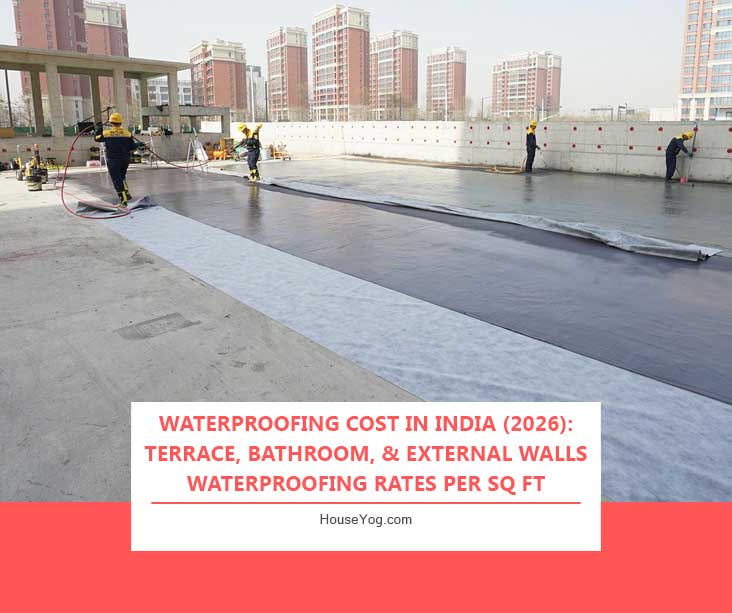
Waterproofing cost in India in 2026 ranges from ₹25 to ₹300 per sq ft, depending on the type of surface (terrace, bathroom, external wall, basement), the waterproofing method used (chemical coating, membrane, PU, crystalline), and the level of damage or seepage.
Leakage and dampness issues are among the most common challenges in Indian homes — especially during monsoon months. Left untreated, seepage can lead to wall dampness, fungal growth, peeling paint, structural damage, and expensive long-term repairs. Timely waterproofing not only protects your home but also increases the lifespan of your building.
This updated 2026 guide provides area-wise waterproofing costs, detailed method comparisons, material and labour rates, examples, and FAQs — helping you accurately estimate your waterproofing budget whether you are constructing a new home or repairing an old one.
Waterproofing Cost per Sq Ft in India (2026) – Quick Overview
Waterproofing cost varies widely depending on the surface condition, age of the building, climate exposure, and the type of waterproofing system selected. Below is a quick comparison of waterproofing rates across major home areas.
Area / Type of Waterproofing
Method
2026 Cost (₹ per sq ft)
Best For
Terrace / Roof Waterproofing
Chemical Coating (Acrylic / Polymer)
₹25 – ₹60
Minor cracks, preventive waterproofing
APP / SBS Membrane (Torch-On)
₹80 – ₹160
Old terraces, heavy seepage, long-term solution
PU (Polyurethane) Coating
₹140 – ₹300
Premium roofs, best durability & flexibility
Bathroom Waterproofing
Sunken Slab (2-Component)
₹40 – ₹90
Toilet sunken area
Floor & Wall Joint Waterproofing
₹60 – ₹120
High-moisture wet areas
External Wall Waterproofing
Crack Filling + Elastomeric Coating
₹35 – ₹80
Rain-exposed walls
Waterproof Paint (Brand-Based)
₹60 – ₹140
Exterior repaint + waterproofing
Basement Waterproofing
Cementitious / Crystalline
₹120 – ₹350
Underground structures
Crack Repair
PMM / Sealants
₹20 – ₹50
Minor wall & terrace cracks
Branded Waterproofing Systems
Dr Fixit / Asian Paints / Fosroc
₹60 – ₹250
Warranty-backed waterproofing
How to Read This Waterproofing Cost Table
These rates represent average contractor quotations across metro and non-metro cities. Actual prices depend on factors such as:
Whether cracks need repairing
Whether old coatings must be removed
Height/ladder/scaffolding requirements
Brand choice (Asian Paints, Dr Fixit, Fosroc)
Rainfall intensity in your region
For example, a terrace in Mumbai or Kochi usually requires a stronger membrane system, while a newly built terrace in Delhi may need only a basic chemical coating.
What Determines Waterproofing Cost in India?
Several factors influence how much waterproofing will cost for your home. Understanding these factors helps you interpret contractor quotations more accurately and choose the method that best fits your leakage problem.
Existing Surface Condition
A newly constructed roof or wall requires minimal preparation, while older surfaces often need:
Crack filling
Removal of loose plaster
Removal of old coatings
Surface cleaning
Moisture drying time
Badly damaged surfaces can increase waterproofing cost by 20–40%.
For example, a terrace with visible cracks wider than 2 mm cannot rely on chemical coating alone — it often requires membrane or PU application.
Waterproofing Method Selected
Each system is designed for a specific type of leakage:
Method
Approx Cost
Best Use
Chemical Coating
Budget
Mild seepage, preventive waterproofing
APP/SBS Membrane
Medium
Older terraces, visible cracks
PU Coating
Premium
Long-term, high-flexibility protection
Crystalline
Premium
Basements and high-pressure zones
This is why contractors suggest different methods for the same area — the severity and nature of leakage determine the right solution.
Labour Cost (City-Based Variation)
Labour contributes 30–45% of the total cost.
Metro cities like Mumbai, Bengaluru and Delhi charge higher rates due to skill demand and labour availability.
Number of Layers Applied
More layers = better waterproofing = higher cost. Bathrooms and basements often require 3–5 layers, while terraces may require 2–3.
Ease of Access & Working Conditions
Terraces: Easiest and cheapest to waterproof
External walls: Require scaffolding or ladders
Bathrooms: Tight corners, pipes and fixtures complicate application
Basements: High moisture pressure; highly technical work required
Because of these differences, two areas of identical size can have very different waterproofing costs.
Terrace Waterproofing Cost in India (2026)
Terraces and flat roofs are the first line of defence against rainfall and UV exposure. In India, terrace leakage is one of the most common seepage problems, especially in homes older than 10–12 years. Water enters through micro-cracks in the slab, travels along reinforcement lines, and eventually shows up as ceiling dampness or peeling paint in rooms below.
Choosing the right terrace waterproofing system depends heavily on:
Age of the building
Crack severity
Climate (rainfall & humidity)
Existing waterproofing layers
Budget vs durability expectations
Below is the detailed cost comparison for all terrace waterproofing methods in 2026.
Chemical Waterproofing Cost for Terrace (2026)
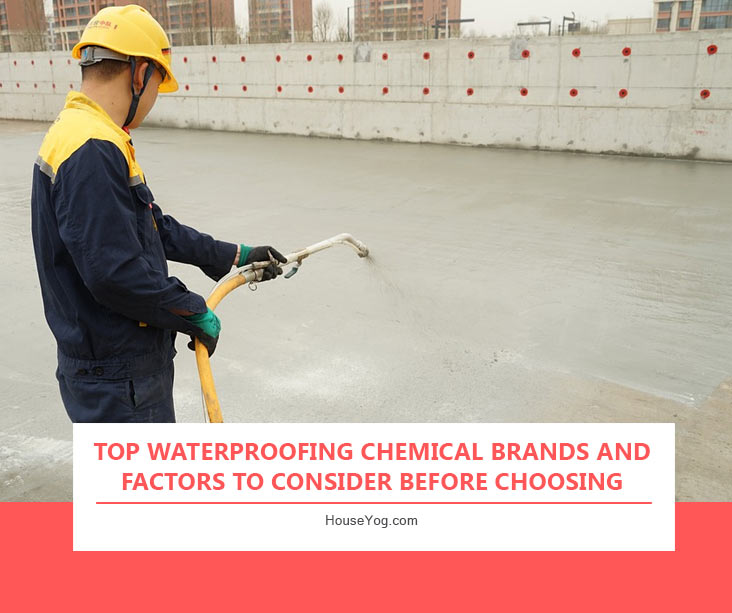
Chemical waterproofing is the most commonly used and cost-effective method for terraces with mild seepage or hairline cracks. It involves applying liquid waterproofing chemicals (acrylic/polymer-based) in 2–3 coats.
System
Cost (₹/sq ft)
Lifespan
Ideal For
Acrylic / Polymer Coating
25–45
3–5 years
Mild cracks, preventive waterproofing
Fibre-Reinforced Coating
40–60
4–6 years
Slightly aged terraces, hairline cracks
When to Choose Chemical Waterproofing
Choose this method if:
Your terrace has no major cracks wider than 2 mm
The house is new or less than 8 years old
You need an affordable, preventive waterproofing treatment
You plan to apply top-up coatings every 3–4 years
Pro Tip: In high rainfall states like Kerala, Assam or Meghalaya, chemical coating may not last its full lifespan unless combined with proper crack filling and surface preparation.
Membrane waterproofing is significantly stronger and is ideal for old terraces, heavy seepage, or weathered slabs. A membrane sheet is heat-welded using a torch, creating a seamless and durable waterproofing layer.
Membrane Type
Cost (₹/sq ft)
Thickness
Lifespan
APP Membrane (3 mm)
80–130
3 mm
5–8 years
APP Membrane (4 mm)
120–160
4 mm
8–10 years
Membrane waterproofing costs more than chemical coatings because the system uses thicker, heat-welded sheets and requires skilled technicians for application
Why Choose Membrane Waterproofing
Highly durable
Excellent crack-bridging capability
Strong adhesion due to torch application
Suitable for heavily damaged or old roofs
Real-Life Example:
A 20-year-old RCC roof in Mumbai showing widespread dampness will almost always need a membrane system rather than chemical coatings.
PU Waterproofing Cost for Terrace (2026)
PU (Polyurethane) is considered a premium waterproofing system, known for its outstanding flexibility, seamless finish and long-lasting protection. It is especially recommended where the terrace experiences significant expansion-contraction due to heat exposure.
PU Type
Cost (₹/sq ft)
Lifespan
Notes
Single-Component PU
140–200
8–12 years
Good elasticity, easy application
Two-Component PU
200–300
10–15 years
Superior durability, premium-grade
PU is particularly effective on terraces that experience thermal expansion and contraction throughout the day, a common issue in hot climates.
When PU Waterproofing Is Recommended
For premium residential buildings
Terraces with multiple micro-cracks
Coastal cities with high humidity (Mumbai, Kochi, Goa)
When long-term, maintenance-free protection is expected
Mistake to Avoid:
PU waterproofing should not be applied over loose or dusty surfaces. Proper priming and crack repair are essential.
Chemical vs Membrane vs PU Waterproofing — Which is Best?
Method
Cost
Durability
Best For
Chemical Coating
Low
Low–Medium
Mild seepage, new homes
Membrane
Medium
High
Old terraces, recurring leakage
PU
High
Very High
Premium long-term protection
Expert Recommendation:
If your terrace is above 12–15 years old or shows repeating leakage, avoid chemical waterproofing. Choose APP membrane or PU for reliable and lasting results.
Now that we’ve covered terrace waterproofing costs, let’s look at bathroom waterproofing — the second most common cause of household seepage in India.
Bathroom Waterproofing Cost in India (2026)
Bathrooms leak more frequently than any other part of a home because they undergo continuous exposure to water, moisture, and temperature changes. Most leakage problems originate from:
Toilet sunken slabs
Floor–wall joints
Improper tile grouting
Poor application of earlier waterproofing layers
Bathroom waterproofing is not optional — it is mandatory during both construction and renovation.
Sunken Slab Waterproofing Cost
The sunken portion (below floor level) carries pipes and drainage lines, making it the most high-risk leakage zone. Waterproofing here prevents water from seeping into the ceiling of the floor below.
Area
Method
Cost (₹/sq ft)
Sunken Slab
Two-Component Polymer Modified Slurry
40–90
Why It Matters
A leaking sunken slab can cause:
Ceiling dampness in the room below
Paint peeling
Foul smell due to water stagnation
Structural damage over time
Once the sunken slab is treated, the next critical step is waterproofing the bathroom floor and wall junctions, which are the most common points of leakage.
Bathroom Floor & Wall Waterproofing Cost (2026)
Area
Method
Cost (₹/sq ft)
Floor Waterproofing
Chemical Coating
60–120
Floor–Wall Joint Treatment
Reinforced Tape + Coating
80–140
Expert Insight:
Nearly 70% of bathroom leakage happens due to failure at the floor–wall joint, not the floor itself. This is why professional applicators recommend tape reinforcement before coating.
Example: Waterproofing Cost for a 40 sq ft Bathroom
Sunken slab waterproofing: 40 × ₹70 = ₹2,800
Floor waterproofing: 40 × ₹100 = ₹4,000
Total Estimated Cost:
₹6,800 – ₹8,500 (depending on crack severity and material brand)
When to Choose Premium Bathroom Waterproofing
If the bathroom is more than 10 years old
If tiles are being replaced
If there is visible dampness in adjacent walls
In apartments where leakage affects neighbours below
External Wall Waterproofing Cost in India (2026)
External walls face rain, heat and UV exposure throughout the year. Continuous weathering causes cracks, damp spots, algae growth and paint deterioration. Waterproofing external walls protects your home from both cosmetic and structural damage.
Crack Filling + Elastomeric Coating Cost
Cost: ₹35–₹80 per sq ft
This system typically includes:
Cleaning the wall surface
Opening and sealing cracks
Applying waterproof primer
Applying elastomeric waterproof coating
When It Works Best
Light to moderate cracking
Walls exposed to seasonal rainfall
Homes 5–15 years old
Climate Note:
In coastal cities like Chennai or Vizag, elastomeric coatings outperform standard exterior paints due to better UV and salt resistance.
Waterproof Paint (Brand-Based Systems)
A waterproof paint system combines protection with exterior beautification.
Cost: ₹60–₹140 per sq ft
Popular systems include:
Asian Paints Apex Waterproof
Dr Fixit Raincoat
Berger WeatherCoat Long Life
Ideal For
Repainting projects
Walls facing the southwest monsoon
Homes with moderate dampness but no structural cracks
These systems work best when combined with proper crack treatment, as painting alone cannot prevent seepage from entering the wall surface.
Pro Tip:
Always ensure cracks are treated before applying waterproof paint. Paint alone will not stop seepage.
These external wall waterproofing prices are especially relevant in cities with strong southwest monsoon exposure.
Basement & Foundation Waterproofing Cost (2026)
Basement waterproofing is the most technically demanding type of waterproofing because underground structures face constant hydrostatic pressure, moisture buildup, and capillary water movement. Unlike terraces or walls, basements cannot rely on surface-level treatment alone — they require a system that penetrates deep into the concrete.
Here’s a breakdown of basement waterproofing costs in India for 2026:
Method
Cost (₹/sq ft)
Best For
Cementitious Coating
120–200
Moderate dampness, new construction
Crystalline Waterproofing
150–320
High water pressure zones
Injection Grouting
180–350
Active leakage, cracks, joints
Cementitious Waterproofing
Cementitious waterproofing is commonly used in newly constructed basements, water tanks, retaining walls and underground structures. It creates a rigid waterproof barrier over the concrete surface.
Pros:
Cost-effective
Easy to apply
Works well for mild seepage
Limitations:
Not suitable for surfaces experiencing high pressure or active water flow.
Crystalline Waterproofing
Crystalline systems (e.g., Kryton, Fosroc Xypex) penetrate deep into concrete pores to form insoluble crystals, blocking water pathways.
Ideal For:
High groundwater table areas
Old basements with rising dampness
Retaining walls facing soil moisture
Why It Costs More:
Specialist material
Highly trained labour
Multiple application stages
But crystalline treatment often lasts as long as the structure itself.
Injection Grouting
Injection grouting is used when there is active leakage — water entering through cracks, joints, or honeycombing.
When It’s Needed:
Visible dripping or flowing water
Cracks in basement walls
Failure of existing waterproofing
Grouting materials like PU foam or epoxy expand to seal cracks internally.
Important Note:
Grouting must be followed by a surface waterproofing system for long-term protection.
Basement waterproofing costs vary widely because no two leakage patterns are alike — always insist on a site inspection before accepting any quotation.
Waterproofing Material Cost in India
Material cost is a major portion of the overall waterproofing budget. Here’s an updated list of 2026 waterproofing material prices across brands:
Chemical Waterproofing Material Cost
Brand/System
Price Range
Dr Fixit LW+ / Raincoat
₹250 – ₹450 per litre
Asian Paints DampProof
₹40 – ₹70 per sq ft
Fosroc Brushbond
₹50 – ₹80 per sq ft
SikaTop Seal
₹45 – ₹80 per sq ft
Where These Are Used:
Bathrooms
Terraces (light-duty)
External walls
Sunken slabs
APP / SBS Membrane Price
Membrane Thickness
Price Range
3 mm APP
₹1,500 – ₹2,800 per roll
4 mm APP
₹2,200 – ₹3,400 per roll
Higher thickness = greater durability and longer lifespan.
PU Waterproofing Material Price
PU chemicals come in various grades:
PU Type
Price
Single-Component PU
₹250 – ₹450 per kg
Two-Component PU
₹350 – ₹600 per kg
What Affects PU Cost:
Brand
UV resistance
Elasticity level
Type of primer required
PU is a premium choice, best suited for high-performance waterproofing.
Waterproofing Labour Charges in India (2026)
Labour costs vary considerably between metro and non-metro areas. On average:
City Type
Labour Cost (₹/sq ft)
Metro Cities (Mumbai, Delhi, Bengaluru)
20–35
Mid-Tier Cities (Pune, Kolkata, Chennai)
15–25
Tier-2 & Tier-3 Cities
10–20
Why Labour Charges Vary
Skilled workers needed for membrane or PU systems
Height working charges (external walls)
Safety equipment and SOP requirements
Technician experience level
For premium waterproofing, professional certified applicators are worth the higher labour cost because poor workmanship can nullify even the best materials.
Waterproofing Cost Calculator (2026)
You can estimate waterproofing cost using this simple formula:
Formula:
Total Cost = Total Area (sq ft) × Waterproofing Rate (₹ per sq ft)
Example 1: Terrace Waterproofing (600 sq ft)
If using membrane at ₹100/sq ft: 600 × 100 = ₹60,000
Example 2: Bathroom Waterproofing (40 sq ft)
At ₹100/sq ft: 40 × 100 = ₹4,000
Example 3: External Wall Waterproofing (300 sq ft)
At ₹80/sq ft: 300 × 80 = ₹24,000
Pro Tip:
Always add 10–15% extra to your budget for:
Crack filling
Primer
Additional coats
Touch-up corrections
Best Waterproofing Type for Each Area (Expert Guide)
Homeowners often struggle to decide which waterproofing system is right for their needs. Here’s a quick expert recommendation chart:
Area
Best Method
Why
Terrace
Membrane or PU
Offers highest durability, crack-bridging
Bathroom
2-Component Chemical System
Strong bonding, prevents leakage into lower floors
External Walls
Elastomeric Coating
UV-resistant and flexible
Basement
Crystalline + Grouting
Handles hydrostatic pressure
Expert Tips for Choosing Correctly
Choosing the right method becomes easier when you match the waterproofing system to the surface condition and climate exposure.
If a roof is 15+ years old, avoid chemical-only systems.
If walls show damp patches after rainfall, elastomeric coating works best.
If leakage appears on neighbour’s ceiling, treat bathroom sunken slab first.
For frequent monsoon exposure, membrane waterproofing is more reliable than chemical coating.
How to Choose a Waterproofing Contractor (Checklist)
Waterproofing success depends more on proper application than materials. Before hiring a contractor, check the following:
Brand certification (Asian Paints, Dr Fixit, Fosroc)
Experience with the specific system you require
Detailed BOQ with material–labour breakup
Guarantee/warranty period (2–5 years minimum)
Inclusion of crack treatment and priming
Site inspection before quote
Clear explanation of application process
Red Flags to Avoid
Quotes without BOQ
No surface preparation included
Extremely low pricing for membrane/PU systems
Contractors refusing to provide warranty
FAQ on Waterproofing Cost
1. What is the waterproofing cost per sq ft in India in 2026?
Waterproofing cost ranges from ₹25 to ₹300 per sq ft, depending on the method and surface condition.
2. How much does terrace waterproofing cost?
Terrace waterproofing costs ₹25–₹300 per sq ft depending on whether you choose chemical, membrane, or PU systems.
3. What is the bathroom waterproofing cost?
Bathroom waterproofing costs ₹40–₹120 per sq ft, depending on whether you waterproof sunken slabs, floors, or wall joints.
4. What is the best waterproofing for terraces?
APP membrane or PU coatings offer the best long-term protection for terraces.
5. How much does Dr Fixit waterproofing cost?
Dr Fixit waterproofing costs ₹60–₹250 per sq ft, depending on the system.
6. Does waterproofing need maintenance?
Chemical coatings need touch-up every 3–5 years. Membrane and PU systems need minimal maintenance.
7. How long does waterproofing last?
Chemical: 3–5 years Membrane: 5–10 years PU: 10–15 years Crystalline: Up to the lifespan of the structure
Conclusion
Waterproofing is one of the most essential investments for protecting your home from seepage, cracks, moisture and long-term structural damage. With waterproofing costs in India ranging from ₹25 to ₹300 per sq ft in 2026, choosing the right method based on your building’s age, climate exposure and leakage pattern ensures durable and effective protection.
Whether you’re planning terrace waterproofing, bathroom sealing, external wall treatment or basement waterproofing, hiring an experienced, certified applicator and using a suitable system can save you thousands in future repairs.
Waterproofing decisions should always be based on surface condition, climate exposure, and professional inspection — no single method fits all leakages.
Always assess leakage patterns, surface condition, and climate factors before finalizing a waterproofing method — these three variables determine the success and lifespan of the treatment.If you’re planning to build or renovate your home, explore Houseyog’s construction cost guides, BOQ templates, and state-wise labour rates to plan your budget more accurately.