
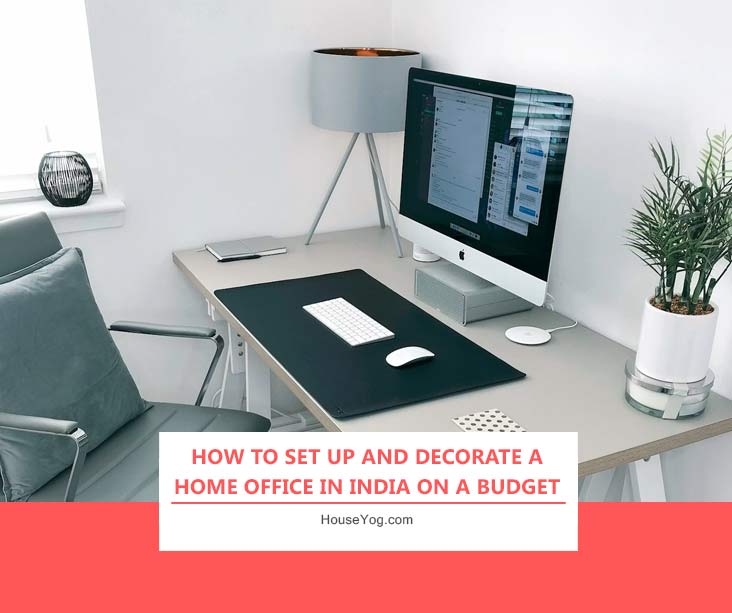

Working from home has become a permanent reality for millions of Indians. Whether you are a freelancer, a remote employee, or running a small business from home, having a dedicated workspace makes a real difference to your productivity and focus. But many homeowners assume that setting up a proper home office requires a big budget. That is simply not true.
With the right planning, smart material choices, and a clear sense of your needs, you can create a functional and good-looking home office in India without spending a fortune. This guide walks you through everything you need to know, from choosing the right space to picking furniture, lighting, storage, and finishing touches.
Step 1: Choose the Right Space in Your Home
The first step is finding the right spot. Not every home has a spare room, and that is completely fine. Many Indian homes have underused corners, balconies, or sections of a bedroom that can be converted into a dedicated work zone.
Here are some practical options:
- A corner of the master bedroom or guest room
- A compact balcony that gets natural light
- An alcove under the staircase
- A section of the living room separated with a bookshelf or a curtain
The most important factor is separation. Even a visual boundary between your work area and your living space helps your brain switch between work mode and rest mode. You do not need a separate room, but you do need a defined zone.
When choosing your spot, check for natural light, ventilation, and proximity to a power outlet. These three factors alone can determine how comfortable your home office will feel throughout the day.
Step 2: Plan the Layout Before Buying Anything
Before you spend a single rupee on your home office setup, measure the space and sketch a basic layout. This is where many homeowners go wrong. They buy furniture first and then try to arrange it, which often leads to a cramped and poorly organised workspace.
A simple home office layout needs:
- A work surface (desk or table)
- Seating (ergonomic chair)
- Storage (shelves, drawers, or a small cabinet)
- Adequate lighting
- Access to power points
For a compact space of 6 x 6 feet or even smaller, a wall-mounted desk with overhead shelves is the most space-efficient solution. It keeps the floor clear and makes the room feel larger.
If you are working in a shared room, consider placing the desk perpendicular to the wall so you face away from the rest of the room. This naturally reduces distractions.
Step 3: Choose Budget-Friendly Furniture
Furniture is usually the biggest expense in a home office setup. Here is how to keep costs low without compromising on function:
Home Office Desk
Instead of buying a readymade office desk, consider getting a carpenter to build a simple wall-mounted desk using plywood with a laminate finish. In most Indian cities, this can cost between Rs. 3,000 and Rs. 8,000, depending on size and finish, which is far cheaper than branded office furniture.
Alternatively, a simple wooden dining table or a study table from local furniture markets in cities like Rajkot, Pune, or Bangalore can work very well.
Comfortable Chair
Do not compromise on the chair. Back pain is a real problem for people who sit for long hours. Look for chairs with lumbar support in the Rs. 4,000 to Rs. 8,000 range. Brands like Green Soul, Featherlite, and Durian offer decent ergonomic options at mid-range prices. Avoid using dining chairs for extended work sessions.
Storage space
Open wooden shelves are far cheaper than closed cabinets and work just as well for books, files, and equipment. A floating shelf installed above the desk can handle most of your storage needs for under Rs. 3,000.
If you are trying to reduce costs further, buying pre-owned furniture can be a practical option. Our guide on buying used furniture for home or office covers what to inspect before purchasing desks, chairs, storage units, and other workspace essentials.
Step 4: Get the Lighting Right
Poor lighting is one of the most common mistakes in home office design. Working under dim or harsh light causes eye strain, reduces concentration, and makes the space feel uninviting.
For Indian homes, natural light should be your primary source wherever possible. Position your desk near a window, but avoid placing it directly facing the window, as the glare can cause screen reflections and strain.
For artificial lighting, layer your sources:
- A ceiling light for general illumination
- A dedicated desk lamp for task lighting
A good LED desk lamp costs between Rs. 1200 and Rs. 2,500 and can completely transform your workspace. Look for lamps with adjustable colour temperature so you can switch between warm and cool light based on the time of day.
Step 5: Think About Temperature and Air Comfort
Comfort goes beyond just furniture and lighting. If your workspace is too hot or too cold, your focus and energy levels drop quickly, no matter how well the room is designed.
In most parts of India, a ceiling fan or a split air conditioner handles summer heat well. But for enclosed rooms with limited airflow, adding a small exhaust fan can improve ventilation significantly. In regions where winters are cold, such as North India, Himachal, or Uttarakhand, maintaining a consistent room temperature matters a lot during long work sessions.
Homeowners who plan homes in colder climates, or who have lived in countries like Australia or the UK, sometimes reference systems like gas ducted heating when thinking about whole-home climate comfort, as these systems distribute heat evenly across multiple rooms through concealed ducts without taking up wall or floor space. While such systems are less common in Indian residential construction today, the underlying principle, which is consistent and unobtrusive thermal comfort, is a smart goal for any home office, regardless of the solution you choose.
For most Indian homes on a budget, a combination of good ventilation, a ceiling fan, a small room heater for winters, and proper door and window sealing is enough to keep the workspace comfortable year-round.
Step 6: Manage Cables and Keep It Tidy
A cluttered desk with cables running in every direction is both ugly and distracting. Good cable management costs almost nothing but makes a huge visual difference.
Simple solutions include:
- Adhesive cable clips to route cables along the wall or desk edge
- A small cable box to hide power strips
- Velcro cable ties to bundle wires together
You can buy a complete cable management kit for under Rs. 500 online. Combined with a minimal desk surface, this alone can make your home office look clean and professional.
Step 7: Paint and Decor on a Budget
The colour of your walls affects your mood and concentration. For a home office, lighter and cooler tones tend to work better than warm, dark colours.
Good choices for home office walls in India include:
- Off-white or light grey for a calm, neutral backdrop
- Soft sage green for a natural and focused feel
- Light blue or teal for a creative and refreshing tone
A fresh coat of paint costs very little and makes the biggest visual impact. You can paint one accent wall in a slightly deeper shade of the same colour to add depth without making the room feel small.
For decor, keep it minimal. A small plant on the desk improves air quality and adds a natural element. A simple framed print or a pegboard with pinned notes can add personality without spending much.
Step 8: Invest in Acoustic Comfort
Sound is one of the most overlooked aspects of a home office. In Indian homes, where families are often around during work hours, noise can be a serious productivity killer.
Some budget-friendly acoustic improvements:
- Heavy curtains on windows reduce outside noise significantly
- A small bookshelf filled with books acts as a natural sound absorber
- A door stopper or draught seal under the door reduces noise from other rooms
- A white noise app on your phone can mask background sounds for free
You do not need professional soundproofing. Small changes can make a meaningful difference in how focused you feel during work.
Step 9: Add Smart Organisational Habits From Day One
A well-designed home office only stays functional if you maintain it. Build simple habits:
- Clear your desk at the end of each workday
- Have a designated spot for every item
- Use a small pinboard or whiteboard for daily tasks instead of sticky notes scattered everywhere
- Keep cables, chargers, and stationery in labelled drawers or containers
Organisation is free. It is entirely a habit, and when combined with good design, it keeps your home office feeling fresh and productive for years.
Estimated Budget Summary for Home Office Setup
Here is a rough cost estimate to set up a simple but functional home office in India:
| Item | Estimated Cost |
| Custom plywood desk (carpenter-made) | Rs. 4,000 – Rs. 8,000 |
| Ergonomic chair | Rs. 4,000 – Rs. 8,000 |
| Floating shelves | Rs. 1,500 – Rs. 3,000 |
| LED desk lamp | Rs. 800 – Rs. 2,000 |
| Cable management | Rs. 300 – Rs. 600 |
| Paint (one room) | Rs. 1,500 – Rs. 3,000 |
| Curtains/blinds | Rs. 800 – Rs. 2,000 |
| Plants and decor | Rs. 500 – Rs. 1,500 |
| Total | Rs. 13,400 – Rs. 28,100 |
This is a wide range because costs vary significantly by city, material quality, and whether you hire a carpenter or buy readymade. In most Indian cities, a clean, functional home office can be set up for Rs. 14,000 to Rs. 28,000 if planned well.
Final Thoughts
A home office does not need to be expensive to be effective. What it does need is thoughtful planning, smart material choices, and a clear understanding of how you work. Focus first on the essentials — a good desk, a proper chair, and adequate lighting — and build up from there as your needs grow.
The best home office is one that fits your work style, respects your budget, and makes you feel ready to focus the moment you sit down. With the ideas shared here, you have everything you need to get started without overspending.
Looking for more workspace inspiration? You can also explore our detailed guide on designing and furnishing a budget home office, where we share additional ideas for furniture selection, storage planning, and creating a productive work environment.
If you are planning a new home or redesigning an existing one, working with an experienced architectural and interior design team can help you integrate your home office into the overall floor plan in the most efficient way possible.