

Many homeowners spend months selecting elevations, tiles, and finishes, but later realise that actual comfort depends far more on the interior house layout.
Poor room placement, weak ventilation, dark interiors, awkward furniture movement, and wasted passages can make even a newly constructed home feel uncomfortable.
That is why functional house planning is one of the most important parts of good architectural design.
A well-planned layout improves the way a home works every day. It allows natural light to enter properly, improves airflow, reduces wasted space, creates smoother movement between rooms, and makes daily living more comfortable for the entire family.
Whether you are planning a compact 2BHK house, duplex home, villa, or independent floor, understanding the basics of functional house planning can help you avoid costly mistakes before construction begins.
What is a Functional House Layout?
A functional house layout is a floor plan where rooms, openings, circulation spaces, and furniture zones are planned carefully to improve comfort, usability, ventilation, privacy, and movement inside the home.
In simple words, it is a layout that feels practical and comfortable in everyday life.
A good house plan is not only about fitting rooms inside a plot. It is about understanding how people will actually use those spaces every day.
For example, a kitchen placed too far from the dining area creates repeated inconvenience. Bedrooms positioned near noisy living spaces reduce privacy. Similarly, poor window placement can make rooms feel dark, hot, and uncomfortable even in a newly constructed home.
Good layout planning balances aesthetics with practicality so the house remains comfortable long after construction is completed.
Poor Layout vs Functional Layout
Even small layout decisions can significantly affect comfort, ventilation, movement, and space usability inside a home. The comparison below shows how thoughtful planning improves everyday living comfort.
| Poor Planning | Functional Planning |
| Dark central rooms | Better daylight flow |
| Long corridors | Efficient circulation |
| Poor ventilation | Cross ventilation |
| Wasted corners | Better space utilisation |
| Awkward furniture layout | Comfortable usability |
A well-planned house layout is not necessarily larger or more expensive. It simply uses available space more intelligently to create a more comfortable and practical home.
Signs Your House Layout May Not Be Functional
Sometimes, homeowners realise layout problems only after they start living in the house. Here are some common signs of a poorly planned house layout:
- Rooms feel dark even during daytime
- Poor airflow causes heat buildup inside the house
- Furniture placement blocks comfortable movement
- Long corridors waste usable space
- Bedrooms lack proper privacy
- The kitchen feels disconnected from dining spaces
- Rooms appear large in drawings but feel cramped after furnishing
In many cases, these problems are caused by weak planning decisions made before construction begins.
Why Functional Planning Matters Before Construction
One of the biggest mistakes homeowners make is finalising a floor plan too quickly.
Unlike paint colours or furniture, layout problems are difficult and expensive to fix later. Once walls, staircases, plumbing lines, and structural elements are constructed, even small modifications can become costly.
This is why experienced architects spend significant time refining room arrangement, ventilation flow, circulation, natural lighting, and furniture planning before construction begins.
Even small planning decisions can affect day-to-day comfort for many years.
For example, a poorly positioned staircase may block natural light for multiple rooms. A badly ventilated kitchen may remain uncomfortable throughout the year. Oversized corridors may waste valuable carpet area without improving usability.
In many homes, layout mistakes are noticed only after the family starts living in the house — when correcting them becomes far more difficult.
A functional floor plan does not necessarily require a larger budget. In fact, smart planning often improves comfort while making the house more efficient, practical, and economical.
What Makes a House Layout Functional?
A functional house layout is rarely created by accident. Well-designed floor plans usually follow a few core planning principles that improve comfort, ventilation, movement, privacy, and long-term usability.
Understanding these principles can help homeowners evaluate house plans more practically before construction begins.
Separate Public and Private Spaces
One of the most important principles of good house layout planning is separating public areas from private family spaces. Because, privacy is one of the most important indicators of a well-planned home.
In most well-designed homes, the living room and guest areas are placed closer to the entrance, while bedrooms remain deeper inside the house. This creates better privacy and prevents unnecessary disturbance to family members.
The idea is simple — visitors should be able to access common spaces comfortably without directly entering private zones of the home.This separation helps family members use the home more comfortably without constant interruption from guest movement.
In duplex houses, placing bedrooms on the upper floor often improves privacy even further.
Plan Smooth Movement Between Rooms
A practical house plan should feel easy to move through.
Poor circulation creates awkward movement patterns, unnecessary walking distances, congested pathways, and wasted passages. Even larger homes can feel uncomfortable if room connections are not planned properly.
In practical house design, spaces that are commonly connected in everyday use should remain conveniently positioned.
For example, the kitchen should remain reasonably close to the dining area. Bathrooms should remain easily accessible from bedrooms. And staircases should not interrupt movement flow, light and ventilation inside the house.
When movement inside the home feels natural and effortless, the entire layout becomes more comfortable.
Prioritize Natural Ventilation
Ventilation is one of the most overlooked aspects of house planning in India.
Many homes look attractive in elevation drawings but feel hot and suffocating because airflow was not planned properly. This is especially common in tightly packed urban plots where side ventilation is limited.
A functional floor plan should encourage natural air movement throughout the house. Cross ventilation — where air enters from one side and exits through another opening — improves indoor comfort significantly.
Proper window placement, ventilators, openable areas, and airflow direction all play an important role in maintaining a healthy indoor environment.
Good ventilation not only improves comfort, but also reduces heat buildup, moisture problems, and excessive dependence on air conditioning.
This becomes especially important in Indian climates where summers and humidity levels can be intense.
Maximise Natural Lighting
Natural lighting is another important part of functional house planning.
Homes with proper daylight feel larger, healthier, and more comfortable during daytime. Good natural lighting also reduces daytime dependence on artificial lighting while improving the overall atmosphere of interior spaces.
Poorly planned layouts often create dark corners, underlit passages, and rooms that require artificial lighting even during the day.
To improve natural lighting, architects usually focus on window placement, room depth, sun direction, and open planning concepts.
Living areas generally benefit from larger openings, while staircases and passages should also receive some amount of daylight wherever possible.
A balanced approach is important because excessive west-facing openings may increase heat gain during afternoons.
Design a Practical Kitchen Layout
Kitchen planning affects daily comfort more than most homeowners realise.
A badly positioned kitchen can create constant inconvenience in movement, serving, ventilation, and utility usage.
In almost every Indian home, the kitchen is one of the most actively used spaces, which makes practical planning even more important.
In most functional layouts, the kitchen remains conveniently connected to dining spaces and utility areas. Proper ventilation and exhaust planning are also essential because Indian kitchens experience regular cooking activity and heat generation.
Even simple improvements like proper window placement or easier utility access can make the kitchen significantly more practical.
Plan Bedrooms for Privacy and Comfort
Bedrooms should feel peaceful, private, and comfortable.
In good house planning, bedrooms are usually placed away from noisy public areas like the living room or entrance zone. Proper window placement improves ventilation, daylight, and overall comfort inside the room.
A functional bedroom should comfortably accommodate the bed, wardrobe, circulation space, and natural openings without feeling cramped.
Many homeowners finalise room sizes without considering actual furniture placement, which later creates usability problems.
Avoid Dead Space and Oversized Passages
One of the clearest signs of weak planning is excessive dead space.
Large corridors, awkward corners, and irregular circulation pockets increase construction cost without improving usability.
A compact but efficiently planned home often feels far more comfortable than a larger poorly designed house.
This becomes especially important for urban plots where every square foot matters. Smart planning often makes smaller homes feel more spacious without increasing construction area.
Good functional planning focuses on improving usable space instead of simply increasing built-up area.
Plan Furniture Before Finalising the Layout
Furniture planning should happen before the floor plan is finalised — not after.
Many layouts look impressive on paper but become uncomfortable once actual furniture is placed.
For example, incorrect door placement may block wardrobe positioning, poor window placement may reduce furniture flexibility, and inadequate circulation space may make rooms feel cramped despite having sufficient dimensions.
Experienced architects usually visualise furniture placement and movement, door swing clearance, circulation width, and usable wall areas while designing the layout itself.
This practical approach improves long-term usability significantly.
Understanding practical room sizing also helps improve furniture planning and movement inside the house. You can refer to these common standard house dimensions in India while evaluating your floor plan layout.
Think About Future Space Needs and Expansion
A good house layout should not only work for current requirements — it should also remain practical in the future.
Family structures, work habits, storage requirements, and accessibility needs often change over time. A layout that works well today may become restrictive later if future flexibility is ignored.
For example, a flexible room may later become a study, guest room, or work-from-home office. Similarly, proper staircase planning may support future vertical expansion.
Ground-floor bedrooms can also improve long-term accessibility for elderly family members.
Homes planned with future flexibility usually remain functional for much longer.
Common House Layout Mistakes to Avoid
Many homeowners notice layout problems only after shifting into the house. By that stage, issues like poor ventilation, dark rooms, awkward furniture placement, or uncomfortable circulation become difficult and expensive to fix.
Here are some common house planning mistakes worth avoiding:
- Poor ventilation planning: Homes without proper airflow often feel hot and uncomfortable, especially during Indian summers and humid weather.
- Long corridors and wasted circulation space: Oversized passages reduce usable carpet area without improving functionality.
- Improper kitchen placement: A kitchen positioned too far from the dining area creates unnecessary daily movement and inconvenience.
- Bathrooms facing dining or kitchen areas: Poor bathroom positioning can affect both privacy and overall comfort inside the home.
- Incorrect staircase placement: Badly positioned staircases may block ventilation, reduce natural light, and interrupt movement flow.
- Ignoring furniture planning: Rooms that appear spacious in drawings may later feel cramped after placing beds, wardrobes, sofas, or dining tables.
- Prioritising room count over usability: Adding more rooms without proper planning often creates uncomfortable and poorly connected spaces.
A functional home should always be planned around real-life comfort and usability — not just room count or built-up area.
How Architects Evaluate a Functional Floor Plan
A good house layout is not judged only by room count or appearance. Experienced architects evaluate how the house will actually perform in everyday life — from ventilation and movement to furniture usability and long-term comfort.
Ventilation and Airflow
Architects study how fresh air will move through the house throughout the day. Proper window placement, cross ventilation, and openable areas help improve airflow and reduce heat buildup inside rooms.
Circulation Efficiency
A functional floor plan should allow smooth and comfortable movement between spaces. Architects check whether rooms are connected practically without creating long corridors, awkward passages, or wasted circulation space.
Furniture Usability
Room dimensions alone do not guarantee comfort. Architects also evaluate whether beds, wardrobes, sofas, dining tables, and other furniture can fit comfortably without affecting movement inside the room.
Structural Practicality
Good planning also considers structural efficiency. Proper alignment of walls, columns, staircases, and plumbing areas helps reduce construction complications and unnecessary costs during execution.
Future Flexibility
Experienced architects often plan layouts that can adapt to future family needs. Flexible rooms, proper staircase placement, and expansion possibilities help the house remain functional for many years.
Natural Lighting
Architects carefully study sunlight direction, window positioning, and room depth to improve natural daylight inside the house while avoiding excessive heat gain.
Privacy Balance
A well-planned home should feel open without compromising privacy. Architects evaluate how bedrooms, bathrooms, balconies, and living spaces interact with neighbouring buildings, roads, and internal family areas.
A functional house layout is not just about fitting rooms inside a plot — it is about creating a home that feels comfortable, practical, and efficient every single day.
Functional Layout Ideas for Small Indian Homes
Functional planning becomes even more important in compact urban homes. Smaller plots require smarter space utilisation because every square foot affects comfort and usability.
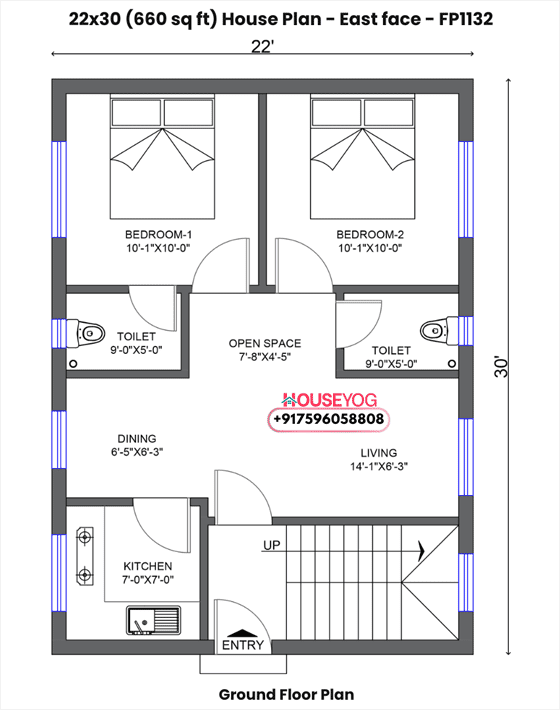
In small Indian homes, open living-dining planning often improves space perception significantly. Reducing unnecessary partitions allows better light flow and ventilation while making interiors feel larger.
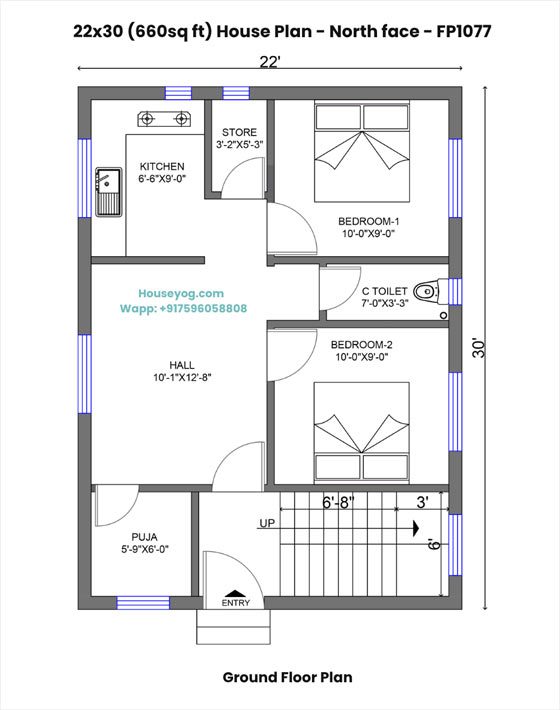
Minimising dead passages, improving storage planning, and using proportionate furniture also help compact homes function better.
Many small homes feel uncomfortable not because of limited area, but because of inefficient layout planning.
A well-designed compact house can often feel more practical than a much larger poorly planned home.
Room Placement Tips for Indian Homes
Room placement in Indian homes requires a more practical approach because climate, sunlight, ventilation, privacy, and plot conditions directly affect daily comfort.
Unlike western homes built on larger plots, many Indian houses are constructed on compact urban sites with neighbouring buildings located very close on both sides. This creates unique planning challenges that should be considered before finalising the layout.
Homes built on irregular or uneven plots often require even more careful space planning to maintain ventilation, circulation, and room usability. Here’s a detailed guide on planning a house on an irregular shaped plot.
Plan Around Heat and Sunlight
In hotter Indian climates, excessive west-facing heat can make bedrooms and living spaces uncomfortable during afternoons.
Good room placement should help:
- Reduce heat buildup
- Improve natural lighting
- Maintain better airflow
- Minimise daytime discomfort
Kitchens also require stronger ventilation planning because Indian cooking generates regular heat, smoke, and moisture.
Consider Privacy from Neighbouring Buildings
Large windows improve daylight and ventilation, but improper placement can reduce privacy — especially in densely populated urban areas.
This becomes particularly important for:
- Bedrooms
- Balconies
- Living rooms facing nearby houses or roads
A good layout balances natural light, airflow, and privacy together.
Narrow Plots Need Smarter Planning
Many Indian homes are built on narrow plots where side setbacks are limited.
In such cases, smart room placement becomes extremely important to:
- Improve airflow
- Reduce dark corners
- Minimise dead passages
- Maintain comfortable circulation
Open living-dining layouts often work better in compact homes because they improve both ventilation and space perception.
Plan for Multi-Generational Living
Indian families often require layouts that work comfortably for multiple generations living together.
For example:
- Elderly family members may need ground-floor bedrooms
- Children may require quieter study areas
- Common spaces should work comfortably for both guests and family use
Flexible layouts usually perform much better in the long run as family needs change over time.
Focus on Long-Term Comfort
Every plot is different, but thoughtful room placement based on climate, usability, privacy, and future comfort almost always creates a better living experience.
A house should not only look good in drawings — it should feel comfortable and practical every single day.
Should You Prioritize Vastu or Functionality?
While planning a house layout, many homeowners try to balance Vastu preferences with practical space planning.
In reality, the most successful house layouts usually combine both wherever reasonably possible.
A home that follows Vastu perfectly but lacks ventilation, natural light, privacy, or comfortable movement may still feel uncomfortable in everyday life.
Similarly, ignoring plot conditions, sunlight direction, airflow, or usability entirely for directional preferences can create long-term practical problems.
Experienced architects generally prioritise:
- Ventilation and airflow
- Natural lighting
- Comfortable circulation
- Privacy and usability
- Structural practicality
Reasonable Vastu preferences can then be incorporated wherever feasible without affecting overall comfort and functionality.
For example, bedroom positioning and sleeping direction are some of the most commonly discussed Vastu considerations in Indian homes. You can also explore these practical bedroom Vastu tips while planning your layout.
The goal should be creating a home that feels practical, comfortable, and positive to live in every day.
Checklist Before Finalizing Your House Layout
Before approving your final floor plan, check whether the layout:
✔ Receives sufficient natural light
✔ Allows comfortable ventilation and airflow
✔ Maintains privacy between spaces
✔ Supports proper furniture placement
✔ Minimises dead space and oversized passages
✔ Provides smooth movement between rooms
✔ Works comfortably for future family needs
✔ Feels practical for everyday living
A few extra discussions during the planning stage can help prevent years of inconvenience later.
Because layout planning affects long-term comfort and usability, experienced architects usually explore multiple planning options before finalising the floor plan.
FAQs on Functional House Layout Planning
A functional house layout improves comfort, ventilation, natural lighting, privacy, movement, and space usability while reducing awkward circulation and wasted areas.
Good ventilation improves airflow, indoor comfort, moisture control, and energy efficiency while reducing heat buildup inside the house.
In most practical layouts, living and dining spaces remain near the entrance, while bedrooms and private areas are positioned deeper inside the house.
Poor ventilation, oversized corridors, awkward circulation, weak furniture planning, dark interiors, and incorrect staircase placement are some of the most common layout mistakes.
The best approach is balancing practical functionality with reasonable Vastu preferences wherever possible.
A floor plan shows the arrangement of rooms and spaces, while a functional layout focuses on how comfortably and efficiently those spaces work in everyday life.
Poor ventilation, weak circulation planning, excessive dead space, dark interiors, and impractical room placement can make even large homes feel uncomfortable.
Furniture planning helps ensure that rooms remain comfortable, spacious, and practical after beds, wardrobes, sofas, and other furniture are placed.
East-facing bedrooms, living rooms, and balconies often receive better morning sunlight and improved natural lighting during the day.
Over to You
A functional layout may not always be visible in elevation drawings, but it strongly affects how comfortable your home feels every single day.
Good architectural planning is not only about adding more rooms — it is about improving ventilation, movement, privacy, natural light, and long-term usability.
Whether you are building a compact urban home or a large independent house, investing time in layout planning before construction can help avoid costly mistakes later.
At Houseyog, we focus on creating practical house plans designed for real Indian living conditions, plot sizes, ventilation needs, and future family comfort.