
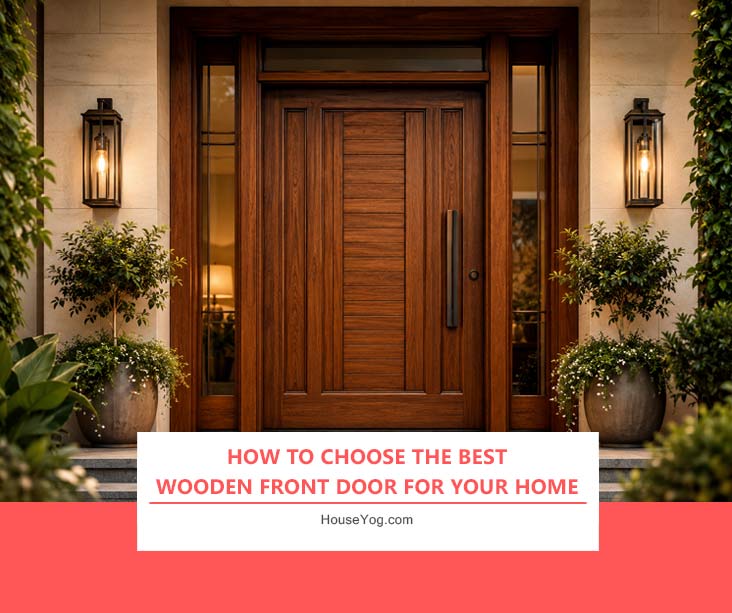

Your front door is more than just an entrance—it creates the first impression of your home, contributes to its security, and complements its architectural style. Whether you’re building a new house or replacing an old entrance door, choosing the right wooden front door involves more than simply picking a design. The wood species, finish, hardware, durability and maintenance requirements all play an important role.
In this guide, we’ll help you understand the different types of wooden front doors, compare popular wood options, and share practical tips to help you choose a door that suits your home and lasts for years.
A well-designed wooden front door not only improves your home’s curb appeal but can also increase its perceived value and create a welcoming entrance for visitors.
Why Choose a Wooden Front Door?
Wood front doors remain a popular choice because they combine natural beauty, durability and design flexibility. They suit both modern and traditional homes and can significantly improve curb appeal when properly maintained.
Wood brings a natural richness that manufactured materials often try to imitate. Every piece has its own grain patterns, texture, and colour variations, giving each door an individual appearance.
Wooden front doors are highly versatile and commonly available in a wide range of designs, from sleek contemporary styles to traditional panel doors with decorative glass and wrought-iron detailing.
Some of the key benefits of choosing a wooden front door include:
- A warm and inviting appearance
- Natural grain and texture
- A wide variety of stains and finishes
- Compatibility with many architectural styles
- Options for glass, sidelights, panels, and decorative hardware
- A strong visual focal point for the home
Beyond aesthetics, wooden front doors can be customised in terms of size, panel design, glass inserts and finishes, making them suitable for both compact homes and larger luxury residences.
Popular Wood Front Door Styles
Choosing the right design begins with understanding the overall character of your property. The door should feel connected to the windows, roofline, exterior materials, and surrounding landscape.
Contemporary Wood Doors
Contemporary wood doors usually feature simple shapes, clean edges, and minimal ornamentation. Horizontal panels, narrow glass inserts, and smooth finishes are commonly used to create a modern appearance.
These doors work particularly well with homes featuring stucco, concrete, metal, stone, or large windows. A darker wood stain can create a bold contrast, while a lighter natural finish keeps the entrance bright and understated.
Best suited for: Modern homes, contemporary villas and minimalist architecture.
Traditional Panel Doors
Traditional panel doors offer a timeless appearance that works well with Colonial, Georgian, Victorian, and craftsman-inspired homes.
The panels add depth and visual structure without making the entrance feel overly decorative. Depending on the home’s design, homeowners can select symmetrical rectangular panels, curved upper panels, or a combination of wood and glass.
Best suited for: Classic homes, colonial-style houses and traditional residences.
Rustic Wood Doors
Rustic front doors highlight the natural character of the wood. Visible knots, textured grain, darker stains, and substantial hardware help create an authentic, handcrafted appearance.
This style is ideal for farmhouses, cabins, Mediterranean homes, mountain properties, and houses with stone or brick exteriors.
Best suited for: Farmhouses, cottages and homes with natural stone or exposed brick.
Wood Doors With Glass
Glass can make a solid wood entrance feel lighter and more open. A small glass panel provides a subtle decorative detail, while a full-view or multi-lite design allows more daylight to enter the foyer.
Clear glass creates a bright, modern appearance, while textured or decorative glass offers additional privacy. Homeowners can also consider sidelights or a transom to make the entire entrance feel larger.
Best suited for: Homes where natural light in the entrance foyer is important.
Wrought-Iron Wood Doors
Wood doors with wrought-iron details create a strong and elegant focal point. The combination of natural wood and dark metal works particularly well with Spanish, Tuscan, Mediterranean, and traditional architecture.
Iron grilles, decorative scrollwork, and hand-forged hardware can add personality without taking attention away from the natural beauty of the wood.
Best suited for: Luxury villas and Mediterranean-inspired homes.
Choosing the Right Wood and Finish
The wood species and finish can significantly change how a front door looks. Some woods have a smooth and consistent grain, while others have noticeable knots and natural variations.
Mahogany is often selected for its rich appearance and refined grain. Knotty alder provides a more relaxed and rustic character, while other hardwood options can offer different levels of texture, color, and visual depth.
The finish should also coordinate with the surrounding exterior. Dark walnut tones can create a dramatic entrance, medium brown stains provide a classic look, and lighter finishes work well with modern or coastal-inspired homes.
Paint is another option, but stain is often preferred when homeowners want the wood grain to remain visible.
Besides appearance, the finish also protects the wood from moisture, UV exposure and everyday wear. Exterior-grade stains generally preserve the natural grain while providing weather protection, whereas painted finishes offer more colour choices but may require more frequent maintenance depending on the climate.
Best Wood Types for Wooden Front Doors
The type of wood you choose plays a major role in the door’s appearance, durability, maintenance requirements and cost. While premium hardwoods generally offer better longevity, engineered wood options can provide good value when properly protected from weather exposure.
| Wood Type | Best For | Advantages | Things to Consider |
| Teak | Premium homes | Highly durable, naturally weather-resistant | Expensive |
| Mahogany | Traditional & luxury homes | Rich grain, stable, elegant | Needs periodic finishing |
| Oak | Contemporary & classic homes | Strong and long-lasting | Heavier than some alternatives |
| Knotty Alder | Rustic homes | Warm character, distinctive grain | Softer than teak or oak |
| Engineered Wood | Budget-conscious projects | Affordable, consistent finish | Choose exterior-grade products |
For many Indian homes, teak continues to be one of the most preferred choices because of its natural resistance to moisture, insects and changing weather conditions. However, the best option ultimately depends on your budget, design preferences and local climate.
Match the Door to Your Home’s Exterior
A beautiful door can still look out of place when it does not relate to the rest of the property. Before selecting a design, consider the home’s exterior materials and architectural details.
A streamlined door with narrow glass panels may suit a minimalist home, while an arched solid wood door may work better with stonework and traditional detailing. Brick homes often pair well with warm wood tones, while white or neutral exteriors can support both light and dark finishes.
The size of the entrance matters as well. A standard single door works for most properties, but larger entryways may benefit from sidelights, double doors, or a transom.
The goal is to create balance. The door should attract attention without appearing disconnected from the rest of the house.
Also consider the size of your entrance. A large double door can overwhelm a compact façade, while a narrow single door may look undersized on a grand entrance. Choosing proportions that complement the scale of your home helps create a balanced appearance.
You may like to read our guide to standard door sizes in India before finalising the dimensions of your new front door.
If you’re designing a new home, it’s best to finalise the front door style during the architectural design stage so that the entrance, windows and exterior finishes create a cohesive look.
Things to Consider Before Buying a Wooden Front Door
Choosing the best wooden front door involves more than selecting a design that looks attractive. Before making your final decision, consider factors such as the type of wood, door thickness, finish, hardware and the amount of weather exposure your entrance receives. Paying attention to these details will help you choose a door that not only complements your home’s architecture but also offers long-lasting durability, security and performance.
| Factor | Why It Matters |
| Wood Species | Affects durability and maintenance |
| Door Thickness | Improves strength and security |
| Finish | Protects against moisture and sunlight |
| Hardware | Enhances security and complements the design |
| Weather Exposure | Budget-conscious projects |
| Installation | Ensures smooth operation and proper sealing |
Taking a few extra minutes to evaluate these factors before placing your order can help you avoid costly changes later and ensure your new front door performs well for years.
Do Not Overlook Door Hardware
Hardware acts like the finishing touch on a front entrance. Handles, locks, hinges, knockers, and decorative accents should support the style of the door.
Matte black hardware creates a clean contrast against warm wood. Aged bronze suits rustic and traditional entrances, while brushed metal can complement contemporary designs.
The hardware should also feel appropriately scaled. A large, heavy wood door may need a substantial handle set, while a simple modern door often looks better with streamlined hardware.
In addition to appearance, choose high-quality locks and hardware that provide adequate security while matching the style of your door.
Consider Practical Requirements
Appearance is important, but a front door must also work for the home’s everyday needs.
Before purchasing, confirm the required dimensions, swing direction, handing, jamb size, and hardware preparation. Homeowners should also consider the amount of weather exposure the entrance receives.
A covered porch can help protect a wood door from direct sunlight and heavy rain. Regular inspection and appropriate care can also help preserve the finish and maintain the door’s appearance.
Professional installation is especially valuable for exterior doors. Proper alignment, sealing, and hardware placement help ensure that the door opens smoothly and fits securely within the frame.
If your entrance is fully exposed to sun and rain, consider installing a small porch or canopy to help extend the life of the finish.
If you’re budgeting for a new home, our guide on doors and windows cost for house construction in India can help you estimate the overall expense.
Common Mistakes to Avoid When Choosing a Wooden Front Door
A beautiful front door can still become a poor investment if the wrong wood, finish or installation method is chosen. Avoiding a few common mistakes can help ensure your door remains attractive and functional for many years.
- Choosing appearance over durability
- Ignoring weather exposure
- Selecting low-quality hardware
- Overlooking maintenance requirements
- Hiring inexperienced installers
Create an Entrance That Feels Personal
The best front doors are not necessarily the most decorative. They are the ones that feel appropriate for the home and the people living inside it.
A simple solid wooden door can look sophisticated when paired with the right stain and hardware. A glass-panel design can make a darker foyer feel brighter. A rustic door can bring warmth to stone architecture, while a modern wood door can soften a minimalist exterior.
Before making your final choice, compare different panel layouts, wood species, finishes and hardware combinations to find a front door that complements both your home’s architecture and your personal style.
Final Thoughts
Choosing the best wooden front door involves balancing appearance, durability, security and long-term maintenance. By selecting the right wood species, finish and hardware—and ensuring professional installation—you can create an entrance that enhances your home’s curb appeal and performs reliably for years.
Whether you prefer a sleek contemporary entrance or a timeless traditional design, investing in a high-quality wooden front door is a decision that enhances both the appearance and functionality of your home.
Take time to compare different options before making your decision, as a well-chosen front door is an investment that adds both value and character to your home.
Frequently Asked Questions
Teak is widely considered one of the best woods for front doors because it is naturally durable, resistant to moisture and insects, and performs well in different weather conditions. Mahogany, oak and other quality hardwoods are also excellent choices, depending on your budget, design preferences and maintenance requirements.
Yes, a high-quality wooden front door can last for decades when made from durable hardwood and properly maintained. Regular cleaning, periodic refinishing and protection from prolonged exposure to sun and rain help preserve its appearance and structural integrity.
Most wooden front doors should be refinished every 2 to 5 years, depending on the wood type, finish and weather exposure. Doors exposed to direct sunlight or heavy rain may require more frequent maintenance to keep the protective coating in good condition.
Both teak and mahogany are excellent choices, but teak generally offers better natural resistance to moisture, insects and weathering. Mahogany is valued for its rich colour, smooth grain and elegant appearance, making it a popular option for premium homes.
Yes, wooden front doors can withstand rain when they are properly finished, sealed and maintained. Installing a porch, canopy or overhang also helps protect the door from direct exposure to rain and sunlight, extending its lifespan.
Most residential wooden front doors are between 35 mm and 45 mm thick, depending on the design and security requirements. Thicker doors generally provide better strength, durability and sound insulation while creating a more substantial entrance.
Yes, wooden front doors are highly secure when constructed from quality hardwood and fitted with strong locks, hinges and hardware. Proper installation and a sturdy door frame are equally important for ensuring long-term security.
A well-made wooden front door can last 30 years or more with proper care and maintenance. Its lifespan depends on the wood species, quality of construction, protective finish, local climate and regular upkeep.