
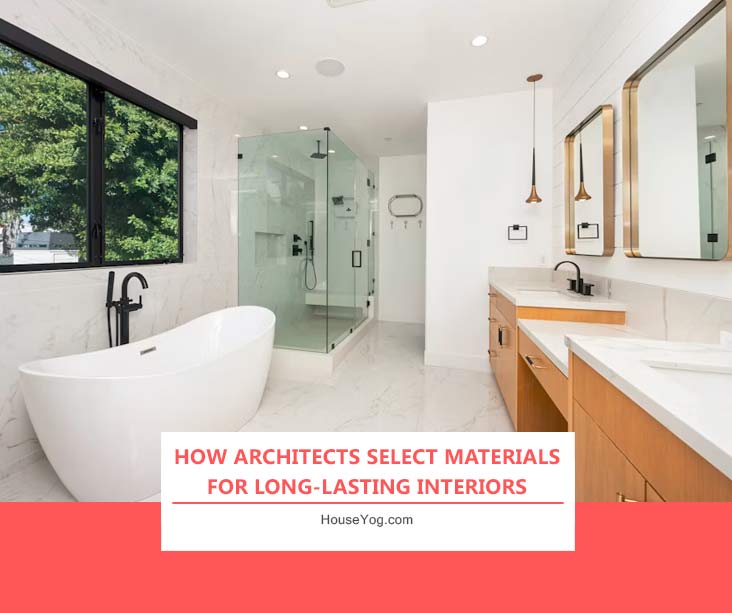

When building or renovating a home, it’s easy to focus on paint colours, furniture, and décor elements. However, architects know that the materials behind those finishes have a much greater impact on how your home performs over time.
The right interior materials don’t just improve aesthetics; they reduce maintenance needs, withstand daily wear, support healthier indoor environments, and help preserve your home’s value for years. Rather than choosing products based solely on appearance or upfront cost, architects evaluate materials based on performance, durability, and lifecycle value.
If you’re planning your dream home, understanding how architects make these decisions will help you invest wisely and avoid costly replacements later.
In this guide, you’ll learn the key factors architects consider when selecting interior materials and how those decisions help create durable, low-maintenance homes.
In short: Architects choose interior materials based on durability, moisture resistance, maintenance, heat resistance, repairability, hygiene, and the specific requirements of each room—not just appearance or price.
Why Material Selection Matters More Than Interior Design Trends
Interior design trends come and go, but the materials installed in your home often remain in place for decades. Replacing a damaged countertop, warped wall panel, or worn-out flooring is far more expensive than updating paint colours or decorative accessories. That’s why architects encourage homeowners to think beyond what’s currently fashionable and focus on the right materials that will continue to perform well as their lifestyle and home evolve.
Every room places different demands on its finishes. A kitchen countertop may face hot cookware, food spills, sharp utensils, and frequent cleaning several times a day. Bathroom surfaces must withstand constant humidity and moisture, while living areas experience continuous foot traffic, furniture movement, and everyday wear. Choosing materials without considering these conditions often leads to premature deterioration, higher maintenance costs, and avoidable repairs.
How Architects Evaluate Interior Materials
Once architects understand the functional requirements of a space, the next step is evaluating which materials will perform best over the long term. Rather than relying on appearance or brand alone, they assess each option against a range of practical criteria before making a recommendation.
Selecting interior materials is rarely based on a single characteristic. Architects assess how a material performs across multiple criteria, ensuring it suits both the space and the people who will use it every day.
Understanding How the Space Will Be Used
The first question architects ask is simple: where will this material be installed? Every room has unique environmental conditions, and materials must be chosen accordingly. A bedroom generally experiences minimal moisture and relatively light use, while kitchens, bathrooms, and utility rooms are exposed to humidity, temperature changes, spills, and frequent cleaning.
Evaluating Everyday Wear and Tear
Homes are designed to be lived in, and architects always consider how materials will respond to everyday activities. High-contact areas such as kitchen worktops, staircases, entryways, and dining spaces are subjected to constant use, making durability a key priority.
Prioritising Ease of Maintenance
A well-designed home should not demand excessive upkeep. This is why maintenance plays such an important role in material selection. Architects often recommend finishes that can be cleaned using standard household products and do not require frequent sealing, polishing, or specialised treatments.
Considering Moisture, Heat, and Indoor Conditions
Environmental conditions inside a home have a significant impact on material performance. Kitchens regularly experience steam, cooking heat, and accidental spills, while bathrooms are exposed to constant humidity and water splashes. Even laundry rooms and utility areas generate moisture that can gradually affect unsuitable materials.
Key Characteristics Architects Look for in Long-Lasting Interior Materials
Although every project has unique requirements, architects generally evaluate interior materials based on a few essential characteristics, including:
Durability
Materials should withstand everyday impacts without excessive wear. Durable finishes maintain both appearance and structural performance over time.
Moisture Resistance
Moisture-resistant materials reduce the risk of swelling, staining, and mold growth, making them ideal for wet areas of the home.
Stain Resistance
Countertops, vanities, and work surfaces benefit from finishes that resist food, beverages, cosmetics, and household cleaning products.
Heat Resistance
Surfaces installed near cooktops or appliances should tolerate moderate heat without cracking, discoloration, or deformation.
Repairability
Some materials can be repaired locally if damaged, while others require complete replacement. Repair-friendly options often reduce future renovation costs.
Hygiene
Architects frequently recommend smooth, non-porous surfaces in kitchens and bathrooms because they are easier to clean and less likely to harbour moisture or bacteria. Homeowners interested in learning more about solid surface materials can review educational resources that explain how these materials are used in residential interiors.
How Architects Select Materials for Different Rooms
Once architects understand how a family will use each space, they begin matching materials to the specific conditions of every room. Instead of applying the same standards throughout the house, they recognise that every area has different functional requirements. This room-by-room approach helps create interiors that not only look cohesive but also perform reliably over the years.
Kitchen
The kitchen is one of the most demanding spaces in any home. Countertops, backsplashes, and cabinetry are exposed to heat, moisture, food spills, grease, and constant cleaning. Because these surfaces are used every day, architects prioritise materials that are durable, easy to maintain, and capable of withstanding daily wear without losing their appearance.
Bathroom
Bathrooms present a different set of challenges because of continuous exposure to humidity, water, and cleaning products. Materials that perform well in dry areas may deteriorate more quickly in these conditions if they are not designed to resist moisture.
Architects typically recommend finishes that maintain their structural stability despite repeated exposure to water. Vanity tops, wall panels, and surrounding surfaces should be easy to clean and capable of resisting mold, mildew, and water damage. The same principle applies when selecting bathtubs. Many homeowners prefer custom solid surface bathtub because their seamless construction, non-porous surface, and modern appearance complement long-lasting bathroom designs while remaining easy to maintain.
Good ventilation further helps extend the lifespan of interior finishes, but choosing durable materials from the beginning provides the strongest foundation for a bathroom that performs well for years.
Living Room
Living rooms are often designed to balance comfort with durability. While they are generally less exposed to moisture than kitchens or bathrooms, they experience regular foot traffic, furniture movement, and everyday family activities.
Architects therefore choose flooring and wall finishes that can withstand routine use without requiring frequent repairs.
Flooring is one of the best examples of how material selection varies from one room to another. The ideal flooring for a bathroom may not be suitable for a bedroom or living room. Our guide on How Architects Choose Flooring Tiles for Homes: A Room-by-Room Guide explains how architects match flooring materials to each space based on durability, moisture resistance, maintenance, and everyday use.
Since living rooms often serve as the visual centrepiece of a home, materials are selected to combine timeless aesthetics with practical performance. Neutral, durable finishes also make it easier to update furniture and décor over time without requiring major renovations.
Bedroom
Bedrooms usually experience lighter daily wear, giving homeowners greater flexibility in their material choices. Even so, architects still consider durability, indoor comfort, and maintenance when specifying finishes for these spaces.
Materials that contribute to a comfortable indoor environment while remaining easy to maintain are generally preferred. Choosing long-lasting flooring and wall finishes means homeowners are less likely to face unnecessary repairs or replacements as their needs change over the years.
Utility Areas
Laundry rooms, storage areas, and mudrooms may not receive the same attention as kitchens or living rooms, but they often endure heavy practical use. Moisture, cleaning chemicals, footwear, and storage equipment can all affect the lifespan of interior finishes.
For these spaces, architects usually prioritise functionality over decorative appeal. Durable, moisture-resistant materials that require minimal maintenance help ensure these hardworking areas continue to perform efficiently while supporting the overall longevity of the home.
Common Material Selection Mistakes Homeowners Make
Even well-planned projects can suffer from poor material decisions.
Some of the most common mistakes include:
- Choosing appearance over functionality
- Focusing only on the lowest price
- Ignoring maintenance requirements
- Selecting materials unsuitable for moisture-prone areas
- Overlooking repair and replacement costs
- Following short-lived design trends
- Failing to consider installation quality
Working with Your Architect for Better Material Decisions
Material selection is most successful when homeowners and architects work together from the beginning of the project. While architects contribute technical knowledge about material performance, homeowners provide equally valuable insight into how they intend to live in the space.
Discussing your family’s daily routine, cooking habits, maintenance preferences, budget, future renovation plans, and even whether you have young children or pets allows your architect to recommend materials that genuinely suit your lifestyle.
Open communication also helps prevent costly changes later in the project. Reviewing samples, understanding maintenance requirements, and discussing the advantages and limitations of different materials before construction begins creates greater confidence in the final decisions.
Conclusion
Beautiful interiors aren’t created by appearance alone—they’re built on thoughtful material selection.
Architects evaluate every material through the lens of performance, durability, maintenance, and long-term value. By following the same approach, homeowners can create interiors that remain functional, attractive, and easier to maintain for many years.
When comparing interior finishes, don’t focus only on today’s trends or the lowest price. Consider how each material will perform under everyday use, how much maintenance it will require, and whether it will continue delivering value throughout the life of your home. Those are the decisions that create truly long-lasting interiors.