
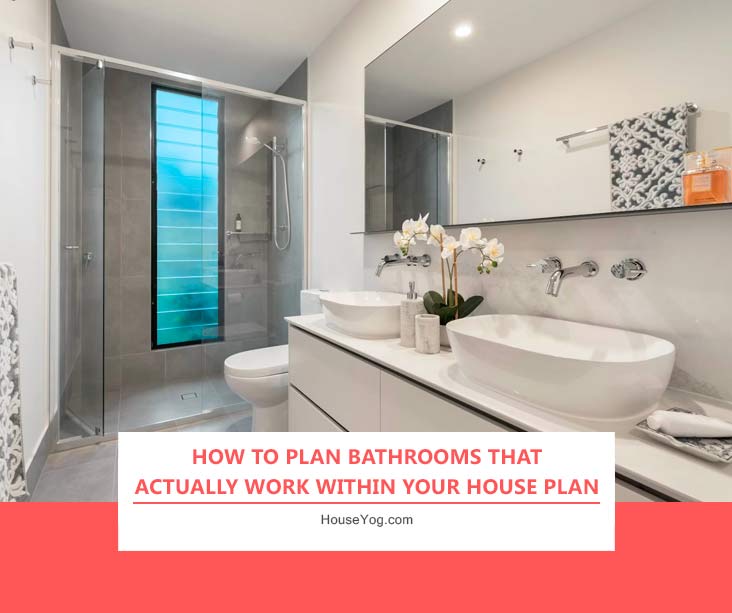

Bathroom planning is often treated as a secondary step when designing a home, but it plays a much bigger role in day-to-day comfort than many people realise. A layout might look efficient on a floor plan, yet feel awkward or impractical once the home is in use.
Common issues like cramped layouts, poor fixture placement, or lack of storage usually come down to decisions made early in the planning stage. These mistakes can lead to ongoing inconvenience, wasted space, and costly changes later on.
A well-designed bathroom, on the other hand, improves both functionality and overall home value. By thinking through layout, placement, and practical use from the beginning, it’s possible to create a space that works seamlessly in real life—not just on paper.
1. Start with Placement — Not Fixtures
When planning a bathroom within a house layout, it’s easy to focus on fixtures and finishes too early. In reality, placement is far more important. Where the bathroom sits within the home will have a lasting impact on how convenient, private, and practical it is to use.
Bathrooms should be positioned with both accessibility and privacy in mind. Placing them too far from bedrooms can make daily routines less efficient, while positioning them directly off main living areas can create noise and privacy concerns. Striking the right balance early helps avoid these issues later.
It’s also worth considering how placement affects plumbing. Grouping wet areas—such as bathrooms, laundries, and kitchens—can reduce complexity and cost, while improving overall efficiency. Thinking ahead about how the space will be used, whether by a growing family, guests, or future buyers, also ensures the layout remains functional over time.
Getting the placement right from the start sets the foundation for a bathroom that works well in everyday life.
2. Get the Layout Right Early
A well-planned layout is what separates a bathroom that feels comfortable from one that feels cramped or awkward. While fixtures and finishes can be updated later, the layout is much harder to fix once construction is complete.
Many common bathroom issues come down to poor layout decisions. Toilets positioned directly in line with the door can affect privacy, while tight spacing between fixtures makes the room difficult to move around in. Door swings are another frequent problem, often clashing with vanities, showers, or other fittings.
Getting the layout right early helps avoid these frustrations. Allowing proper clearance around each fixture ensures the space feels open and usable, even in smaller bathrooms. Planning door positions carefully prevents conflicts and improves overall flow.
A good bathroom layout should feel intuitive to use, with enough space to move comfortably and everything positioned where it makes sense. Taking the time to plan this properly at the start leads to a much better result in the long run.
3. Choose the Right Vanity Size and Position
The vanity is one of the most frequently used features in any bathroom, so its size and position play a major role in how the space functions. When it’s not planned properly, it can disrupt the entire layout and make the room feel cramped or awkward.
Choosing the right size starts with understanding the scale of the bathroom. A vanity that’s too large can dominate the space and restrict movement, while one that’s too small may not provide enough storage or visual balance. Positioning is just as important—there needs to be enough clearance for drawers and doors to open comfortably without interfering with other fixtures.
In smaller bathrooms, wall-hung vanities are often a practical solution. By lifting the unit off the floor, they create a greater sense of space while still offering essential storage.
Planning the vanity early helps avoid layout conflicts later on. Well-built, properly sized options make a noticeable difference in both usability and overall appearance, and suppliers like Ross’s Discount Home Centre offer a range of vanities designed to suit different bathroom sizes and configurations.
4. Plan Storage from the Start
Storage is one of the most overlooked aspects of bathroom design, yet it has a direct impact on how functional the space feels day to day. Without enough storage, even a well-designed bathroom can quickly become cluttered and difficult to use.
A common mistake is relying too heavily on cupboards without considering accessibility. Drawers within the vanity often provide better organisation, making it easier to store and access everyday items. Choosing the right combination of drawers and cupboards can make a noticeable difference in how practical the space is.
Additional storage can also be built into other elements of the bathroom. Mirror cabinets offer a simple way to add concealed storage without taking up extra space, while built-in niches in showers provide a convenient spot for toiletries without the need for bulky shelving.
By planning storage early, you can keep surfaces clear and ensure the bathroom remains organised, functional, and easy to maintain.
5. Think About Shower Space and Flow
The shower is one of the largest elements in a bathroom, so its placement has a big impact on how the space feels and functions. When positioned poorly, it can disrupt movement, block sightlines, and make the entire room feel more confined.
A well-placed shower should support the natural flow of the bathroom rather than interrupt it. Positioning it away from the main entry point helps maintain a sense of openness and privacy, while also making the layout feel more intentional.
Walk-in showers are a popular choice in modern layouts because they create a cleaner, more open look. Pairing them with glass shower screens allows light to pass through the space, which helps the bathroom feel larger and less enclosed.
By thinking carefully about shower placement and design, you can improve both the usability and overall feel of the bathroom without increasing its size.
6. Lighting and Mirror Placement Matters More Than You Think
Lighting and mirror placement are often overlooked in bathroom planning, but they play a major role in both functionality and overall feel. Poor lighting can make even a well-designed bathroom feel dull and impractical, especially when it creates shadows around key areas like the vanity.
Mirrors also do more than just serve a functional purpose—they influence how light moves through the space and how large the room feels. A well-positioned mirror can reflect natural or artificial light, helping to brighten the bathroom and create a greater sense of openness.
To get the most out of both elements, it’s important to plan them together. Position mirrors where they can reflect light effectively, rather than placing them in darker areas. Use layered lighting, combining task lighting around the vanity with softer ambient lighting to create balance. Aligning the mirror’s size and placement with the vanity also helps maintain visual consistency.
When lighting and mirrors are considered early in the design process, they enhance both the usability and the overall impression of the bathroom.
7. Plan for Plumbing and Practicality
Plumbing is one of the most important elements to get right early in the design process. Unlike finishes or fixtures, it’s not something that can be easily adjusted later without significant cost and disruption.
Moving plumbing after construction has started—or worse, after it’s completed—can quickly become expensive. That’s why it’s essential to plan bathroom layouts with plumbing in mind from the outset.
Keeping plumbing points close together is one of the most effective ways to reduce complexity and cost. Grouping fixtures such as the toilet, vanity, and shower along the same wall or within close proximity helps simplify installation and improve efficiency. It’s also important to consider drainage and water pressure to ensure the bathroom functions reliably over time.
Thinking about durability at this stage also pays off. Choosing layouts and fixture placements that are practical and accessible makes future maintenance easier and helps avoid unnecessary issues down the track.
By prioritising plumbing and practicality early, you can create a bathroom that not only looks good on a plan but performs well in everyday use.Know When to
8. Plan Beyond the Floor Plan
Floor plans are a great starting point, but they don’t always reflect how a bathroom will function in everyday use. What looks efficient on paper can sometimes feel cramped, awkward, or impractical once built.
This is especially true when it comes to spacing, movement, and how different elements interact. A layout might technically fit within the plan, but still fall short in terms of comfort or usability.
In some cases, small adjustments are enough to improve the space. In others, a more considered update or renovation may be the better long-term solution—particularly if the layout doesn’t suit your needs or the home’s overall design.
If you’re planning a new build or updating an existing layout, following a practical bathroom renovation guide can help you make better decisions early and avoid costly changes later.
Conclusion
A well-designed bathroom starts with smart planning, not just good fixtures. Getting the layout, storage, and overall flow right from the beginning has a lasting impact on how the space feels and functions every day.
Small planning mistakes can quickly turn into ongoing frustrations, especially when they affect movement, storage, or usability. Taking the time to think through these details early helps ensure the bathroom works as intended once it’s built.
Alongside good planning, choosing quality fixtures also plays an important role. Working with trusted suppliers like Ross’s Discount Home Centre can help ensure your bathroom not only looks the part but performs reliably over time.