Practical Waterproofing & Damp-Proofing Solutions for Indian Homes
Moisture and dampness are among the most common and often overlooked problems in Indian homes. You may first notice it as a small damp patch on the wall, peeling paint, or a mild musty smell. But over time, this “small issue” can silently damage your walls, weaken structural elements, affect indoor air quality, and even impact your family’s health.
Whether you live in a standalone house, a builder floor, or an apartment, moisture can find its way in, especially in India’s varied climate, with heavy monsoons, humid coastal air, and extreme temperature changes.
If you’re facing damp walls, recurring paint damage, or unexplained moisture indoors, you’re not alone. These issues are common in Indian homes, yet often misunderstood or addressed too late.
In this guide, you’ll learn why dampness happens, how to prevent wall leakage, and which waterproofing solutions actually work in Indian homes. We’ll also help you understand when simple preventive steps are enough, and when professional waterproofing becomes necessary.
Why Dampness Happens in Indian Homes
Before jumping into solutions, it’s important to understand why dampness occurs in the first place. In most Indian homes, moisture problems are not caused by a single factor; they usually result from a combination of climate, construction practices, and everyday usage.
Below are the most common reasons why dampness develops over time.
1. Heavy Rainfall and Monsoon Pressure
India’s long and intense monsoon season puts continuous pressure on building exteriors. Prolonged rainfall allows water to seep through weak points such as:
External walls
Roof slabs and terraces
Window and door joints
Hairline cracks in plaster or concrete
When drainage slopes are poorly designed, or rainwater is allowed to stagnate near the structure, moisture remains in contact with the building for longer periods — making seepage almost inevitable.
Since most moisture issues worsen during the rainy season, a post-monsoon home inspection checklist can help you identify early warning signs before they turn into major repairs.
2. Poor Waterproofing During Construction
In many homes, waterproofing is either skipped entirely or done using low-quality materials to reduce initial construction costs. Unfortunately, this short-term saving often leads to long-term damage.
Common issues include:
Roof slab leakage after a few monsoons
Bathroom and toilet seepage affecting adjacent rooms
Rising dampness from the foundation level
Once moisture enters the structure, it spreads internally through bricks, plaster, and concrete, making repairs more complex and expensive over time.
3. High Humidity and Poor Ventilation
In coastal and high-humidity regions such as Mumbai, Chennai, Kochi, and Kolkata, dampness can occur even without visible water leakage.
Poor ventilation allows moisture to remain trapped indoors, leading to:
Condensation on walls and ceilings
Damp cupboards and wardrobes
Mould growth in corners and behind furniture
This type of dampness often goes unnoticed until stains or odour become prominent.
4. Plumbing Leakages and Hidden Pipe Issues
Slow leaks from concealed plumbing lines — inside walls, below floors, or above false ceilings — are another common cause of dampness.
Because these leaks are not immediately visible, moisture continues to spread silently. By the time damp patches appear, the underlying structure may already be weakened.
Early Signs of Dampness You Should Never Ignore
Catching moisture-related problems early can save you from expensive repairs and long-term structural damage. In many Indian homes, dampness starts subtly, often mistaken for normal wear and tear, but gradually worsens if left untreated.
Being able to identify the early warning signs helps you take action before moisture spreads deeper into walls, ceilings, and flooring.
Here are some of the most common signs of dampness you should never ignore:
Peeling or bubbling paint, especially near corners or ceilings
White powdery deposits (efflorescence) forming on walls — a clear sign of moisture movement through masonry
Black or green mould spots are commonly seen in bathrooms, kitchens, or poorly ventilated rooms
Persistent damp or musty smell inside rooms, cupboards, or wardrobes
Flaking plaster or crumbling wall edges, often caused by prolonged moisture exposure
Swollen wooden doors or window frames make them difficult to open or close
If you notice even one of these signs, it usually means moisture is already present beneath the surface. Addressing it early can prevent costly repairs, structural weakening, and health-related issues caused by mould and poor indoor air quality.
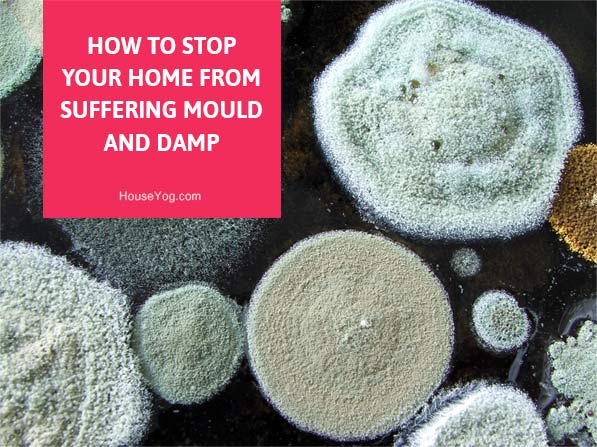
If dampness and mould are already visible in your home, you may also find this detailed guide on how to stop your home from suffering mould and damp helpful, especially for understanding immediate corrective steps.
Here’s how different types of dampness affect homes, and why identifying them correctly matters.
Types of Dampness in Indian Homes (And Why Each Needs a Different Solution)
Not all dampness problems are the same. The source of moisture determines the type of dampness. And more importantly, the kind of waterproofing solution required. Treating all damp issues the same often leads to temporary fixes and recurring damage.
Understanding the different types of dampness commonly found in Indian homes helps you identify the root cause and choose the right long-term solution.
1. Rising Damp
Rising damp occurs when moisture from the ground travels upward through walls due to the absence or failure of a damp-proof course (DPC). This is especially common in older homes and ground-floor rooms where proper moisture barriers were not installed during the construction process.
Typical signs include:
Damp patches rising up to 3–4 feet from floor level
White salt deposits (efflorescence) on the lower wall surfaces
Peeling or blistering paint near the skirting area
2. Penetrating Damp
Penetrating damp happens when rainwater enters the building through external walls, cracks, or poorly finished surfaces. This type of dampness is more noticeable during the monsoon season.
Typical signs include:
Localised damp patches on walls or ceilings
Visible stains or dark patches on external walls
Increased moisture problems during or after heavy rainfall
3. Condensation Damp
Condensation damp is caused by high indoor humidity combined with poor ventilation. It is especially common in coastal cities and tightly sealed homes.
Typical signs include:
Water droplets forming on walls, windows, or tiles
Mould growth in corners, cupboards, or behind furniture
Persistent damp smell despite no visible leaks
Identifying the exact type of dampness is crucial because each one requires a different treatment approach, and applying the wrong solution often leads to repeated damage and unnecessary expense.
How to Prevent Wall Dampness: Practical & Proven Solutions
Once you understand the type of dampness affecting your home, the next step is choosing the right prevention method. Not all waterproofing solutions work the same way, and applying the wrong treatment often leads to temporary relief rather than a permanent fix.
Below are practical, time-tested solutions that work well in Indian homes, depending on the source of moisture, building condition, and climate exposure.
1. Exterior Wall Waterproofing (First Line of Defence)
External walls face the maximum exposure to rain, heat, and humidity. Protecting them properly is the first and most important step in preventing wall dampness.
Effective solutions include:
Elastomeric waterproof coatings
Cement-based waterproof plaster
Exterior-grade waterproof paints
These systems create a flexible protective layer that blocks water entry while still allowing the wall to breathe.
Tip: Always repair cracks and surface defects before applying waterproof coatings. Sealing over cracks traps moisture inside and worsens the problem over time.
Roof leakage is one of the most common causes of damp ceilings and upper-floor wall damage in Indian homes.
Common solutions used in India include:
Liquid membrane waterproofing
Brick-bat coba treatment
Polyurethane or acrylic coatings
APP membrane sheets
Equally important are proper slope design, functional drainage outlets, and correctly treated sunken slabs to prevent water stagnation.
3. Bathroom and Wet Area Waterproofing
Bathrooms are constant moisture zones, and even minor waterproofing gaps can lead to seepage in adjacent rooms.
Best practices include:
Waterproofing below tiles using chemical coatings or membranes
Proper sealing of pipe joints, corners, and floor-wall junctions
Using epoxy grout instead of traditional cement grout
Always insist on waterproofing before tiling, not after damp patches appear.
4. Preventing Rising Damp from the Foundation
For ground-floor rooms, rising damp can be controlled using the right base-level protection.
Common solutions include:
Installing a Damp Proof Course (DPC) during construction
Chemical injection damp-proofing for existing buildings
Maintaining proper external ground slope away from the structure
This is especially important for older homes and independent houses built without modern moisture barriers.
5. Improve Ventilation to Control Internal Moisture
In many cases, dampness isn’t caused by water entry but by trapped humidity inside the home.
You can reduce this by:
Improving cross-ventilation
Installing exhaust fans in kitchens and bathrooms
Using moisture absorbers or dehumidifiers
Simple airflow improvements can significantly reduce mould growth and musty odours over time.
Natural & Preventive Tips to Reduce Dampness
While structural waterproofing plays a major role, everyday habits and home maintenance practices also make a big difference in controlling moisture levels. Small preventive steps, when followed consistently, can significantly reduce dampness and slow down long-term damage.
Here are some simple yet effective ways to keep moisture under control:
Open windows during dry hours to allow fresh air circulation and release trapped humidity. Early mornings or late afternoons work best in most Indian climates.
Avoid drying clothes indoors, especially during the monsoon or winter, as it increases indoor humidity and encourages condensation on walls.
Keep furniture slightly away from walls to allow air movement and prevent moisture buildup behind cupboards and wardrobes.
Clean mould spots immediately using mild anti-fungal solutions to prevent spores from spreading.
Repaint walls every few years using breathable paints, which allow moisture vapour to escape instead of getting trapped inside the wall.
These small but consistent practices help maintain wall health, improve indoor air quality, and reduce the chances of recurring dampness problems.
The cost of waterproofing in India depends on several factors, including the affected area, type of dampness, waterproofing method used, material quality, and local labour rates. While exact pricing can vary from one home to another, the ranges below offer a realistic starting point for planning.
Area / / Treatment Type
Approx Cost (₹/sq ft)
Exterior wall coating
60 – 120
Terrace waterproofing
80 – 150
Bathroom waterproofing
90 – 180
Crack filling & patch repair
40 – 70
If you’re looking for a more detailed cost breakdown, including material-wise pricing, labour considerations, and factors that influence overall waterproofing expenses, this guide on waterproofing cost per sq ft in India explains it in detail.
Note: Actual costs may vary depending on your city, site accessibility, surface condition, height of the building, and whether scaffolding or surface repairs are required before waterproofing.
In many cases, spending slightly more on proper surface preparation and quality materials helps avoid repeated repairs and saves money in the long run. Investing in the right treatment once is usually more cost-effective than fixing the same issue repeatedly.
When Should You Call a Professional?
You should consult a professional if:
Dampness keeps returning after repainting
Structural cracks are visible
Multiple rooms are affected
You are planning a renovation or repainting
A professional assessment helps identify the root cause — not just the visible symptom.
Final Thoughts: Protect Your Home Before Dampness Becomes Damage
Moisture and dampness may start small, but if left unattended, they can slowly weaken your home’s structure, affect indoor air quality, and lead to costly repairs. The good news is that most dampness issues are preventable when identified early and addressed with the right approach.
By understanding the causes of dampness, recognising early warning signs, and choosing the right preventive measures, you can protect your home for the long term. In many cases, timely design decisions and proper maintenance matter just as much as waterproofing materials themselves.
At Houseyog, we help homeowners make informed decisions during planning, renovation, and design. So moisture problems are addressed at the root, not after they become expensive repairs. Whether you’re building a new home or upgrading an existing one, the right guidance at the right time can save both money and stress.
If you found this guide helpful, feel free to share it with others who may be dealing with similar home issues
And if you’re planning a new home or renovation and want expert architectural guidance, explore our resources or get in touch with the Houseyog team to plan your space the right way.