
When planning a new house, most homeowners naturally focus on visible design decisions such as room sizes, staircase layout, window placement, or the overall construction cost. These elements certainly affect comfort and aesthetics. However, one important detail that often receives less attention, but has a major impact on the durability and safety of the building, is plinth height.
Plinth height refers to the level at which the house floor sits above the surrounding ground. This small design decision plays a critical role in protecting your home from rainwater, dampness, poor drainage, and long-term structural issues.
If the plinth height is too low, rainwater may enter the house, moisture may seep into walls, and the building may suffer from dampness over time. On the other hand, choosing an appropriate plinth height helps ensure better drainage, improved ventilation, and a longer lifespan for the structure.
In this guide, we explain the standard plinth height for houses in India, why it is important, and how to decide the right plinth height when designing your home. Along with other design standards such as room size guidelines and staircase dimensions, plinth height is an essential factor that contributes to a well-planned and durable house.
Plinth Height of a House in India: Quick Answer
Plinth height is the vertical distance between the surrounding ground level and the finished floor level of a building. It raises the house floor above ground level to protect the structure from rainwater, dampness and drainage problems.
In most residential houses in India, the standard plinth height ranges between 1.5 feet and 2.5 feet above ground level, depending on local rainfall, drainage conditions and road level.
When designing a house, factors such as room size standards, staircase dimensions and plinth height all influence comfort, durability and functionality.
What Is Plinth Height?
Plinth height is the vertical distance between the surrounding ground level and the finished floor level of a building.
In simple terms, it refers to how much the floor of a house is raised above the natural ground level of the plot.
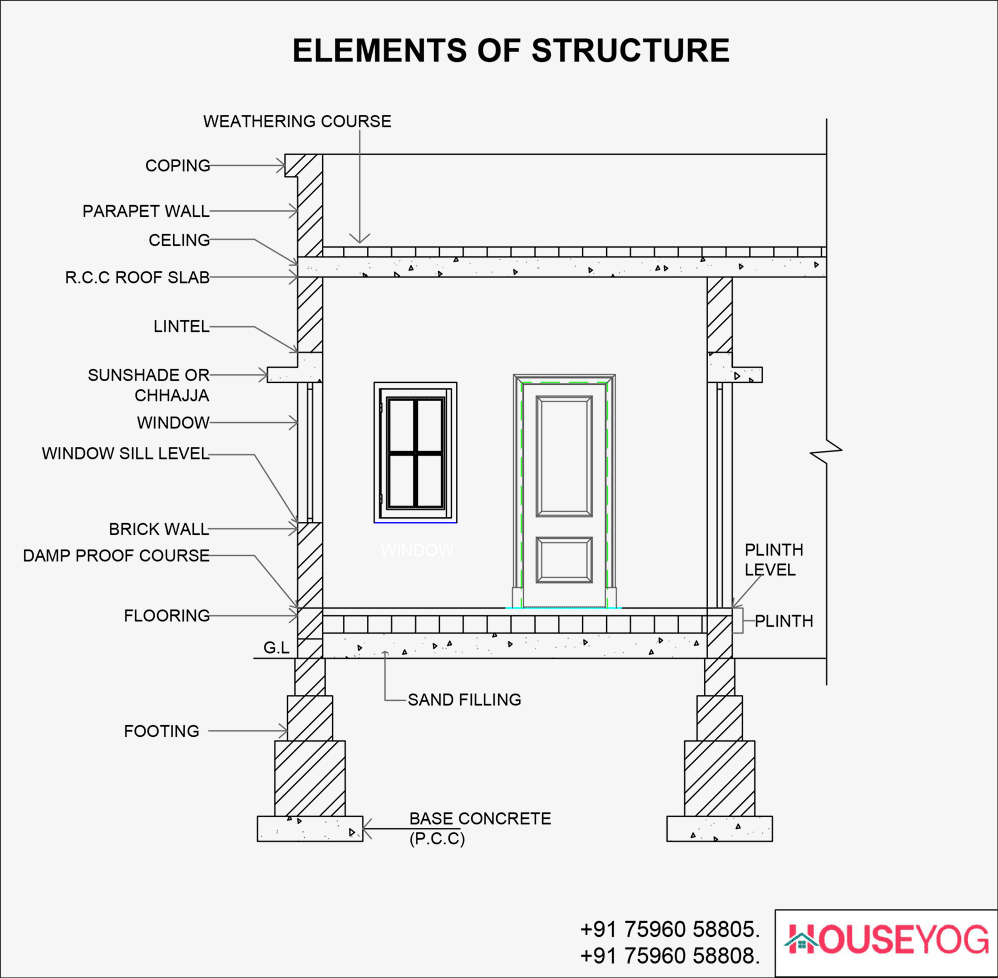
When a building is constructed, the foundation is built below ground, and the portion of the structure between the ground level and the floor level is called the plinth. The height of this portion is known as the plinth height.
The purpose of raising the building floor above the ground is to create a protective barrier between the structure and the surrounding soil and water. This elevation helps prevent rainwater from entering the building and protects the walls from moisture damage.
You can think of plinth height as the base elevation of the house. It separates the living space from the ground and ensures that the building remains safe from water accumulation and dampness.
Standard Plinth Height for Houses in India
The ideal plinth height for a house depends on factors such as rainfall, drainage conditions, and flood risk in the area. However, in most residential construction projects in India, certain typical ranges are commonly followed.
| Location | Recommended Plinth Height |
| Normal residential areas | 1.5 – 2 ft |
| Areas with moderate rainfall | 2 – 2.5 ft |
| Flood-prone areas | 2.5 – 3 ft |
In normal urban or suburban residential areas, a plinth height of about 1.5 to 2 feet above ground level is generally considered sufficient. This elevation helps prevent minor water accumulation from entering the house during heavy rain.
In regions that experience frequent rainfall or poor drainage, a slightly higher plinth height of 2 to 2.5 feet is often recommended. In flood-prone areas, engineers may raise the plinth height further to 2.5 to 3 feet to ensure adequate protection.
The goal is to ensure that the finished floor level remains safely above the surrounding ground and road level, even during heavy rain.
Key Takeaway:
Most residential houses in India maintain a plinth height between 1.5 and 2.5 feet above ground level to prevent water entry, dampness and drainage problems.
Minimum Plinth Height for a House
In most residential buildings, the minimum plinth height is about 1.5 feet above ground level. This elevation helps prevent rainwater entry and protects walls from moisture and dampness.
In areas with heavy rainfall or poor drainage, engineers often recommend raising the plinth height to 2 feet or more for better protection.
Why Plinth Height Is Important in House Construction
Plinth height may appear to be a small design detail, but it plays a crucial role in the long-term performance of a building. A properly designed plinth height protects the structure and improves overall living comfort.
Flood Protection
One of the main purposes of raising the plinth is to prevent rainwater or floodwater from entering the house. During heavy rainfall, water may accumulate around the building. If the floor level is too close to the ground, water can easily flow into the house.
By maintaining a suitable plinth height, the finished floor level remains above the surrounding water level, reducing the risk of flooding.
Preventing Dampness
Moisture in the ground can travel upward through walls and floors due to capillary action. If the plinth height is too low, the building walls may remain in contact with wet soil, increasing the chances of dampness.
Raising the floor above ground level helps reduce this moisture transfer and protects interior walls and finishes.
Proper Drainage Around the House
A raised plinth allows the surrounding ground to slope away from the building. This helps rainwater drain away from the structure instead of accumulating near the foundation.
Proper drainage is essential for maintaining a dry and stable foundation.
Structural Safety
Continuous exposure to water can weaken foundations and structural elements over time. By elevating the building floor, plinth height helps protect the structure from water-related damage.
Better Ventilation
A slightly raised building improves air circulation around the floor level. This helps maintain a drier indoor environment and reduces the chances of damp or musty conditions inside the house.
Factors That Decide Plinth Height
Architects and civil engineers consider several factors when deciding the plinth height of a house. The goal is to ensure that the building remains safe and functional under local environmental conditions.
Road Level Relative to the Plot
One important factor is the height of the nearby road. Ideally, the floor level of the house should be slightly higher than the road level. This prevents rainwater from flowing from the road into the building.
Drainage Conditions
Proper drainage around the building is essential. If the site has poor drainage or tends to accumulate water, a higher plinth height may be necessary.
Rainfall Intensity
Areas with heavy rainfall generally require higher plinth heights to protect the building from water accumulation.
Soil Conditions
Certain soil types retain water for longer periods. In such cases, raising the plinth can help protect the building from moisture.
Municipal Building Regulations
Local municipal authorities sometimes specify minimum plinth heights or building levels based on regional planning guidelines. These regulations should always be checked before finalising the building design.
Plinth Height vs Plinth Level (Common Confusion)
Many people use the terms plinth height and plinth level interchangeably, but they refer to slightly different concepts.
- Plinth height refers to the vertical distance between the surrounding ground level and the finished floor level of the building.
- Plinth level refers to the actual elevation or level at which the plinth is constructed.
In simpler terms, plinth height measures the difference in height, while plinth level refers to the position or elevation of the plinth itself.
Understanding this difference is helpful when discussing building drawings or construction plans.
What Happens If Plinth Height Is Too Low?
If the plinth height of a house is too low, several problems may occur over time.
One common issue is rainwater entering the house during heavy rainfall. Water may flow from surrounding areas into the building, especially if the road level becomes higher than the floor level.
Low plinth height can also lead to dampness in walls and floors. Moisture from the ground may seep into the building materials, causing stains, peeling paint, and structural deterioration.
Poor ventilation near the floor level can also occur when the building sits too close to the ground. This can create humid indoor conditions.
Another long-term concern is that road levels may increase over time due to resurfacing and infrastructure upgrades. If the original plinth height is too low, the house may eventually sit below road level, increasing the risk of water entering the building.
How to Decide the Right Plinth Height for Your House
Choosing the right plinth height requires considering both the site conditions and the surrounding environment.
One practical guideline is to ensure that the finished floor level remains above the nearby road level. This helps prevent rainwater from flowing toward the house.
It is also important to maintain proper ground slope around the building so that rainwater drains away from the structure.
Homeowners should also consider the rainfall patterns in their region. Areas with heavy monsoon rainfall may benefit from a slightly higher plinth.
Finally, it is advisable to follow local building regulations and municipal guidelines, which may specify minimum elevation requirements.
Consulting an architect or civil engineer during the planning stage can help determine the most appropriate plinth height for your specific site.
Typical Plinth Height in Modern Indian Houses
In most modern residential buildings in India, the plinth height typically ranges between 1.5 feet and 2.5 feet above the surrounding ground level.
This range is generally sufficient to prevent rainwater entry, ensure proper drainage, and maintain comfortable living conditions.
In regions with heavy rainfall or poor drainage, slightly higher plinth heights may be used to provide additional protection.
FAQs on Plinth Height in Indian Houses
Most residential buildings maintain a minimum plinth height of about 1.5 feet above ground level. This elevation helps prevent rainwater entry and reduces the risk of dampness in walls and floors.
Plinth height refers to the vertical distance between the ground level and the floor level of the building, while plinth level refers to the actual elevation at which the plinth is constructed.
Plinth height protects the building from rainwater entry, dampness, and drainage problems. It also improves ventilation and helps maintain a dry and durable structure.
Conclusion
Plinth height may appear to be a small design detail, but it plays a major role in the long-term durability and comfort of a house. By raising the floor above the surrounding ground level, the plinth height protects the building from water entry, dampness, and drainage issues.
In most residential construction projects in India, a plinth height of 1.5 to 2.5 feet above ground level is commonly used, though the exact value may vary depending on local conditions such as rainfall, drainage, and road levels.
When designing a house, homeowners should carefully consider the plinth height along with other important design standards. Choosing the right plinth height during the planning stage can help ensure a safer, drier, and more durable home for years to come.
Popular on Houseyog Right Now!: