
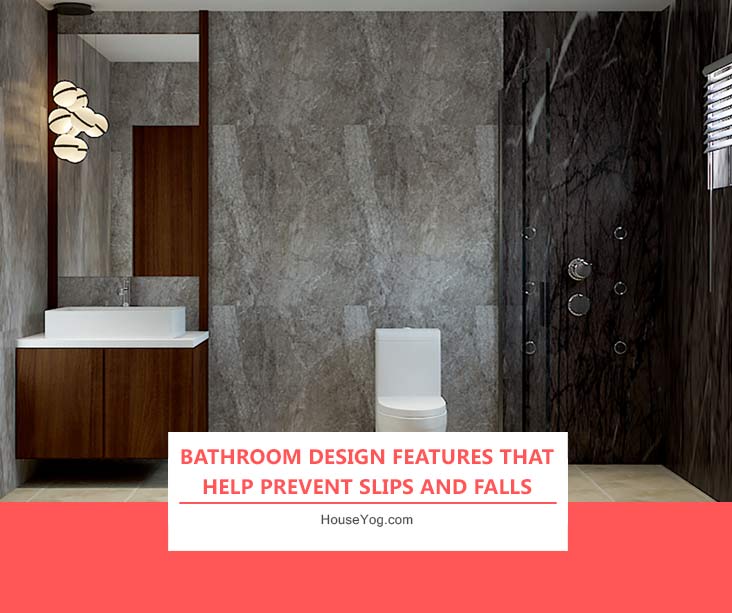

Bathroom flooring has one job that matters more than looking good in photos. It needs to stay steady under wet feet.
Glossy tiles can look clean and expensive, but they can also become slippery fast. That’s a poor trade-off, especially in homes with elderly family members, young children, or anyone recovering from an injury. Matte tiles, textured ceramic, anti-skid vitrified tiles, and stone finishes with a little grip usually work better.
The bathroom is not the place to gamble on shine. A floor may look beautiful in a sample board, then feel completely different once soap, water, and daily use come into the picture. Safety starts with the surface people stand on every single day.
For some homes, this matters even more because many bathrooms have wet and dry areas that overlap. Bucket baths, hand showers, and compact layouts can leave water across more of the floor than expected. The design should accept that reality, not fight it.
Falls are one of the most common causes of injury worldwide, particularly among older adults. According to the World Health Organization (WHO), falls are a significant public health concern and can lead to serious injuries, loss of independence, and reduced quality of life. Because bathrooms are among the wettest areas of a home, thoughtful design choices can play an important role in reducing everyday slip and fall risks.
Plan the Slope Before the Tiles Go In
A bathroom floor should never hold puddles. Even a small patch of standing water can become a problem when someone walks in quickly or uses the bathroom at night.
Good drainage begins with the floor slope. The surface should guide water toward the drain without feeling uneven underfoot. It sounds simple, but this is where many bathrooms go wrong. A drain placed in the wrong spot can leave water sitting near the toilet, vanity, or doorway.
That’s frustrating. It also increases risk.
The shower area needs special attention. A slight slope toward a linear drain or corner drain can keep water contained and reduce the chance of slippery patches spreading across the room. When Houseyog plans bathroom layouts, this kind of detail matters just as much as the placement of fixtures. A smart drawing can prevent years of daily irritation.
Drainage, fixture placement, circulation space, and wet-zone planning should all be considered together during the design stage. If you’re designing a new home, our guide on how to plan a bathroom layout within your house plan explains the key decisions that affect both comfort and long-term usability.
Create a Clear Wet and Dry Zone
A bathroom that separates wet and dry zones feels better to use. It also reduces slip risks.
The shower area should not let water travel across the entire room. A glass partition, half wall, shower curtain, or raised edge can help, depending on the space and budget. In compact bathrooms, even a small barrier can make a noticeable difference.
Walk-in showers are especially useful for families thinking long-term. They reduce the need to step over a high curb, which can be difficult for older adults. A level-entry or low-threshold shower keeps movement smoother and safer.
This does not mean the bathroom has to look clinical. A walk-in shower can feel modern, open, and elegant. It can also make a small bathroom appear larger. That’s a win on both sides.
Add Grab Bars Without Making the Room Feel Medical
Grab bars have a reputation problem. Many people still imagine them as bulky hospital fittings, but modern options look far better now. Some match towel rails, shower fixtures, and matte black or brushed steel hardware.
Placement matters more than appearance, though. A grab bar near the toilet can help with sitting and standing. One inside the shower gives support while bathing. Another near the entrance can help someone steady themselves when moving between dry and wet areas.
These bars must also be fixed properly. A weak installation can be dangerous. Walls may need reinforcement before tiling, especially if the bathroom is being designed from scratch. That is the right time to plan support features, not after the tiles are already finished.
In homes where families arrange aged care help at home, especially in busy cities where older parents often live with adult children, these bathroom details can make daily routines safer and less stressful for everyone involved.
Think Carefully About Toilet Height and Space
Toilet placement affects comfort and safety more than people expect. A toilet that sits too low can make it harder for elderly users to stand up. A slightly higher seat can reduce strain on knees, hips, and lower back.
Clear space around the toilet also matters. If the area feels cramped, movement becomes awkward. There should be enough room for a person to turn, reach the flush, use a health faucet, and move without bumping into sharp vanity corners or walls.
Adequate circulation space is one of the most overlooked aspects of bathroom safety. If you are planning a new bathroom, you can refer to our guide on standard bathroom sizes in India to understand the minimum dimensions needed for comfortable and safe movement around fixtures.
The health faucet, toilet paper holder, and flush should sit within easy reach. Stretching too far in a wet bathroom is a small risk that can quickly become a big one. Good design removes those awkward movements.
A tiny shift in layout can change everything. Moving a basin a few inches or choosing a wall-mounted vanity can open up valuable space. Not glamorous. Very useful.
Use Lighting That Works at Night Too
A safe bathroom needs proper lighting at all hours. Bright ceiling lights help during the day and evening, but late-night use needs a different approach.
Soft night lighting can guide users without shocking their eyes awake. Motion-sensor lights work well near the bathroom entrance or vanity. They reduce the need to search for switches in the dark, which is helpful for children, seniors, and half-asleep adults who just want to get back to bed.
Mirror lighting should also be clear, not shadowy. Dark corners near the shower or toilet can hide wet patches, mats, or small objects on the floor. That’s when accidents happen.
Lighting should feel warm enough to be comfortable but bright enough to show the floor clearly. Moody lighting might suit a hotel bathroom. At home, visibility wins.
Choose Easy-to-Use Fixtures
Good bathroom design should not make people work too hard. Lever taps are easier to use than round knobs, especially for anyone with weak grip strength. Mixer controls should be simple and easy to understand.
Hand showers should sit at a practical height. Adjustable rails can help different users bathe comfortably. A shower bench or fold-down seat can also support elderly users or anyone who feels unsteady while standing for long periods.
Storage helps too. Shampoo bottles, soap dishes, buckets, and cleaning products should not sit all over the floor. Wall niches, recessed shelves, and vanity storage keep pathways clear. Less clutter means fewer things to trip over.
Rounded vanity edges are another smart touch. In a tight bathroom, sharp corners always seem to be exactly where someone’s hip or elbow lands. Funny how that happens. Not funny when it hurts.
Avoid Loose Mats and Slippery Accessories
Loose bath mats can cause more trouble than they solve. If a mat slides, curls, or bunches up, it becomes a trip hazard. If one must be used, it should have a strong anti-slip backing and stay flat against the floor.
Anti-skid strips can help in shower zones, but they need regular cleaning. Soap residue can build up and reduce their grip. The same goes for tiles. Even the best anti-skid flooring needs proper maintenance.
Bathroom safety is not about adding one special feature and calling it done. It comes from many small choices working together: better flooring, smart drainage, clear space, practical lighting, reachable fixtures, and support where people naturally need it.
That’s the kind of design that quietly does its job. No drama. Just a bathroom that feels comfortable, looks good, and helps reduce everyday risks.
Architect’s Insight: Plan Bathroom Safety During Design, Not After Construction
Most homeowners think about bathroom safety after construction is complete. However, features such as floor slope, drainage placement, grab bar reinforcement, shower layout, and circulation space are much easier and more cost-effective to incorporate during the design stage.
When these considerations are included in the architectural plan, the bathroom remains safer, easier to maintain, and more comfortable for users of all ages.
Conclusion
A safe bathroom is not created by a single product or accessory. It is the result of thoughtful design decisions working together from the very beginning. Choosing anti-skid flooring, planning proper drainage, separating wet and dry zones, providing adequate lighting, and ensuring enough space around fixtures can significantly reduce the risk of slips and falls.
These considerations are especially important for homes with children, elderly family members, or anyone with mobility challenges. The best bathroom designs balance safety, comfort, functionality, and aesthetics without making the space feel institutional.
Whether you are building a new home or renovating an existing bathroom, incorporating these features during the planning stage can help create a bathroom that remains practical, comfortable, and safer for years to come.
Frequently Asked Questions
Anti-skid vitrified tiles, textured ceramic tiles, matte-finish tiles, and natural stone surfaces with good grip are generally considered safer than glossy tiles because they provide better traction when wet.
You can reduce slip risks by using anti-skid flooring, maintaining proper floor slope, creating separate wet and dry zones, installing grab bars, improving lighting, and keeping the floor free from clutter.
Yes. Walk-in showers eliminate the need to step over a high threshold, making them safer and more accessible for elderly users, children, and people with mobility limitations.
Ideally yes. Planning grab bars during construction allows walls to be reinforced properly, ensuring the fittings remain secure and effective over time.
A combination of bright ambient lighting, mirror lighting, and motion-sensor night lights helps improve visibility and reduce accident risks.