

Most house maintenance problems don’t start as major failures. They usually begin as small, ignored issues, such as a dripping tap, a damp patch on the wall, a slow drain, or a loose electrical socket.
In Indian homes, where climate conditions, water quality, and daily usage patterns are unique, these minor problems often grow into expensive repairs if left unattended. In many cases, homeowners notice them only when planning repairs, renovations, or resale.
This practical guide explains the most common house maintenance mistakes in Indian homes, why they happen, and how you can avoid them with simple, preventive habits.
Many of these problems can be traced back to planning and execution gaps during construction, similar to the issues explained in our guide on house construction mistakes in India that homeowners often realise only after moving in.
Why House Maintenance Gets Ignored in Indian Homes
Many homeowners believe maintenance is needed only when something breaks. Others delay action, thinking, “We’ll fix it later” or “It’s not serious yet.”
In reality, Indian homes are exposed to:
- Heavy monsoons and extreme summers
- Hard water affecting pipes and fittings
- Continuous daily use of bathrooms and kitchens
- Dense construction and shared walls, especially in apartments
These factors make preventive maintenance far more important than reactive repairs..
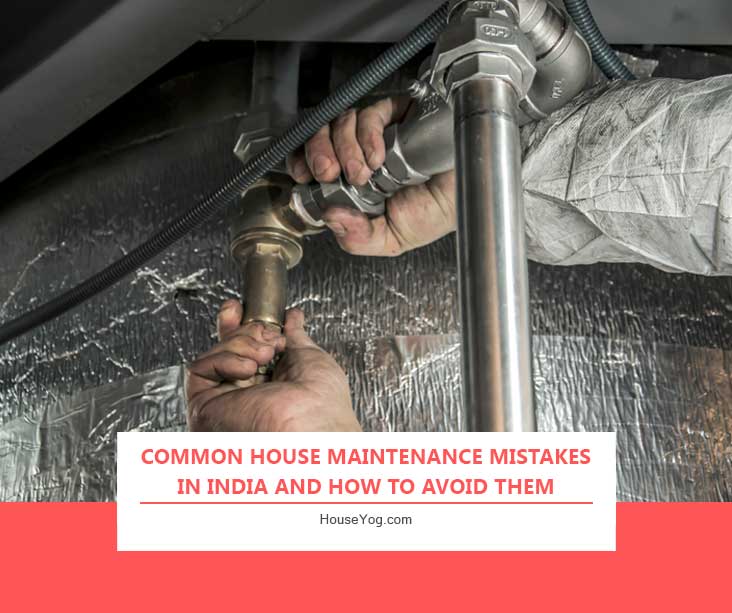
1. Ignoring Small Plumbing Leaks
A slow-dripping tap or a minor concealed leak may seem harmless, but over time it leads to:
- Damp patches on walls or ceilings
- Mold growth and paint damage
- Weakening of plaster and concrete
- Higher water bills
What to do instead:
Fix even minor leaks immediately. Regularly inspect areas under sinks, washbasins, toilets, and bathrooms.
Over time, ignored leaks and recurring blockages often translate into higher repair expenses, which is why understanding the cost of plumbing in new construction in India helps homeowners see the real value of preventive maintenance.
2. Not Cleaning Floor Traps and Drain Lines
Floor traps in bathrooms, balconies, and utility areas are often forgotten. Hair, soap residue, and debris slowly build up, causing:
- Slow drainage
- Foul smells
- Sudden blocked drains during peak usage
What to do instead:
Clean floor traps every few weeks and flush drains periodically, especially before summer and the monsoon season.
3. Delaying Waterproofing Repairs
This is one of the costliest maintenance mistakes. Small cracks or damp patches are ignored until:
- The ceiling plaster starts falling
- Paint peels repeatedly
- Structural damage begins
What to do instead:
Address waterproofing issues early, particularly on terraces, bathrooms, and external walls. Temporary fixes often make the problem worse.
Persistent damp patches are rarely cosmetic issues and are often early warning signs of moisture-related damage, as explained in our detailed guide on preventing wall dampness and moisture in homes.
4. Poor Ventilation in Kitchens and Bathrooms
Many Indian homes depend only on small windows or exhaust fans. Poor ventilation causes:
- Moisture buildup
- Mold and mildew growth
- Faster corrosion of pipes and fittings
What to do instead:
Ensure proper airflow with functional exhaust fans, openable windows, and regular cleaning of vents.
5. Using Harsh Cleaning Chemicals Regularly
Frequent use of acid-based cleaners for toilets, tiles, and floor traps damages:
- Plumbing pipes
- Tile joints and grouting
- Bathroom fittings and chrome finishes
What to do instead:
Use mild cleaners for routine cleaning. Reserve strong chemicals for occasional or professional use only.
6. Ignoring Electrical Load Planning
Overloaded sockets, multiple appliances on one point, and constant extension board usage increase:
- Short-circuit risk
- Fire hazards
- Premature wiring failure
What to do instead:
Distribute electrical loads properly and consult an electrician if appliance usage has increased over time.
7. Skipping Periodic Home Inspections
Many homeowners inspect their home only when a visible problem appears. This results in:
- Missed early warning signs
- Higher repair costs later
- Emergency fixes instead of planned repairs
What to do instead:
Do a basic home inspection every few months. Look for dampness, cracks, leaks, unusual sounds, or smells.
Why These Mistakes Cost More in Indian Homes
In India, minor issues escalate faster due to:
- Seasonal weather extremes
- Monsoon-related water seepage
- Hard water scaling in pipes
- Continuous use of bathrooms and kitchens
Preventive maintenance always costs significantly less than corrective repairs.
In many homes, terrace and roof neglect accelerates damage during the monsoon, making regular inspections essential, especially when it comes to roof repair and maintenance.
Simple Preventive House Maintenance Checklist
You don’t need expert knowledge to keep your house in order. You just need to give attention and be consistent with smaller maintenance.
Here’s what you should do regularly.
Monthly
- Check taps, flush tanks, and visible pipes
- Clean floor traps and drains
Before Monsoon
- Inspect the terrace and bathroom waterproofing
- Clear balcony and rainwater outlets
Annually
- Electrical inspection
- Plumbing check for concealed leaks
- Repainting touch-ups if required
When You Should Call a Professional
DIY works for small issues, but professional help is necessary if you notice:
- Repeated plumbing blockages
- Persistent damp patches
- Cracks are widening over time
- Electrical tripping or burning smells
Early professional advice often prevents major repairs later.
Conclusion
Most house maintenance problems are the result of small, repeated oversights. By avoiding these common house maintenance mistakes and adopting simple preventive habits, homeowners can protect their investment, improve day-to-day comfort, and reduce long-term repair costs.
A well-maintained home is not about frequent repairs – it’s about timely attention and smart planning.
If you found this guide useful, feel free to share it with friends or family who own a home. A little awareness at the right time can help prevent expensive mistakes later.
FAQs on House Maintenance in Indian Homes
Ignoring small plumbing leaks, delaying waterproofing repairs, poor drain cleaning habits, improper electrical load planning, and skipping regular inspections are the most common mistakes.
Basic checks should be done every few months, with detailed inspections at least once a year. Preventive checks before summer and monsoon are especially important.
Small issues worsen over time due to moisture, weather exposure, and continuous usage, often leading to structural damage, mold growth, or system failures.
Yes. Undetected plumbing leaks are a common cause of dampness and waterproofing failure, especially in bathrooms, kitchens, and terraces.
Yes. Preventive maintenance helps detect issues early, avoids emergency repairs, and significantly lowers long-term maintenance expenses.
If problems recur, damp patches don’t dry, electrical systems trip frequently, or cracks worsen over time, professional inspection is recommended.
Yes. Independent houses need closer attention to terraces and external walls, while apartments require monitoring of shared plumbing, drainage, and waterproofing systems.